The 11th International Cognitive Load Theory Conference was Held in Beijing
On September 4th, the 11th International Cognitive Load Theory Conference (ICLTC 2018) is opened at Beijing Normal University. It was hosted by BNU and International Cognitive Load Theory Association (ICLTA), organized by the Smart Learning Institute (SLI) of BNU, and co-organized by Faculty of Education and School of Psychology of BNU.
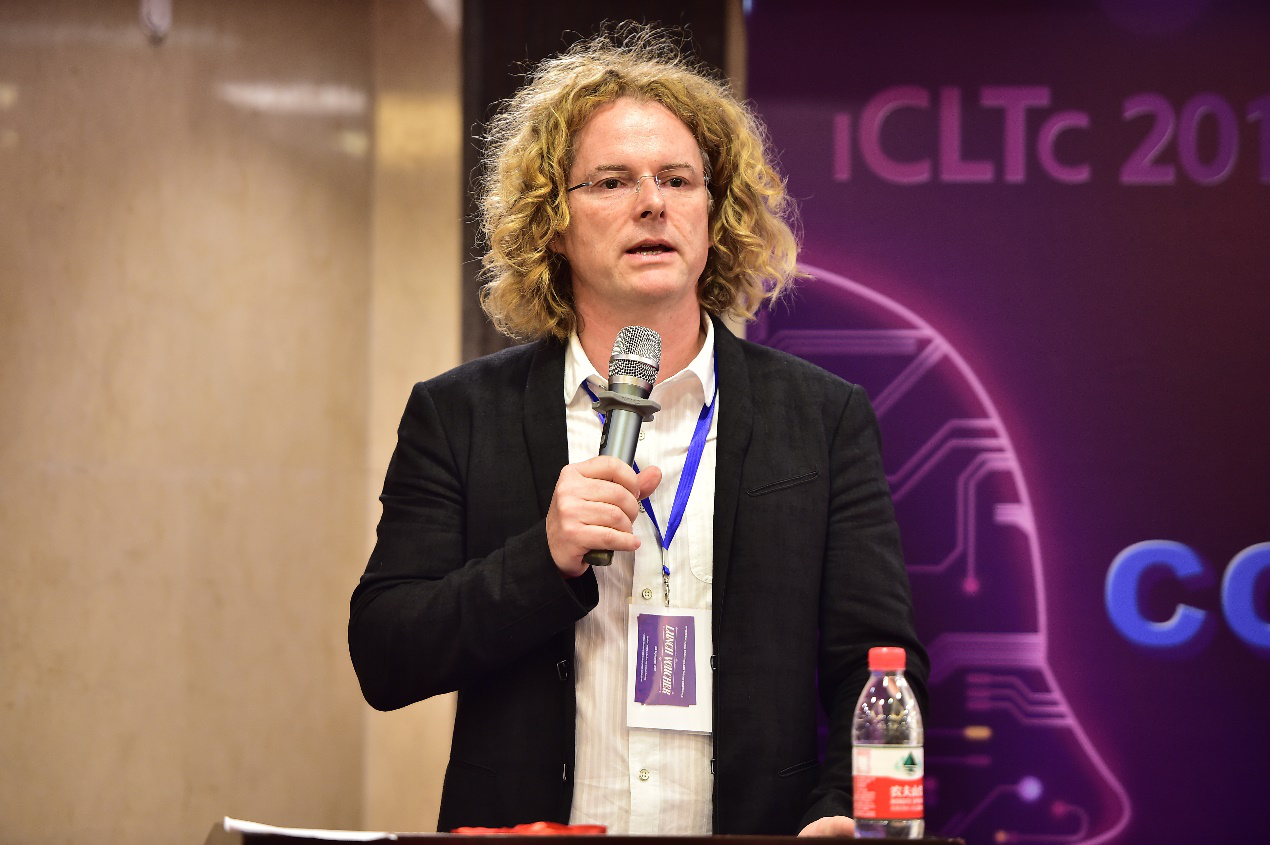
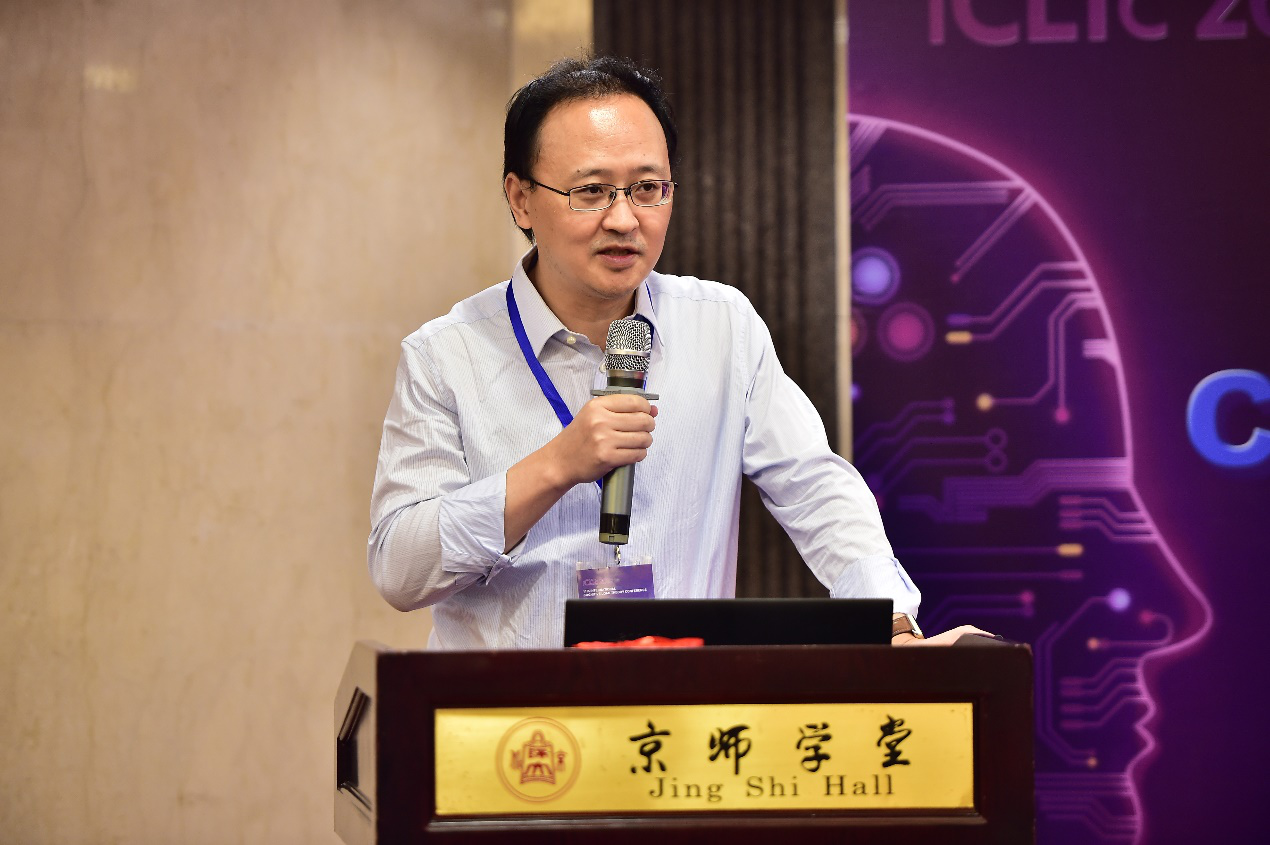
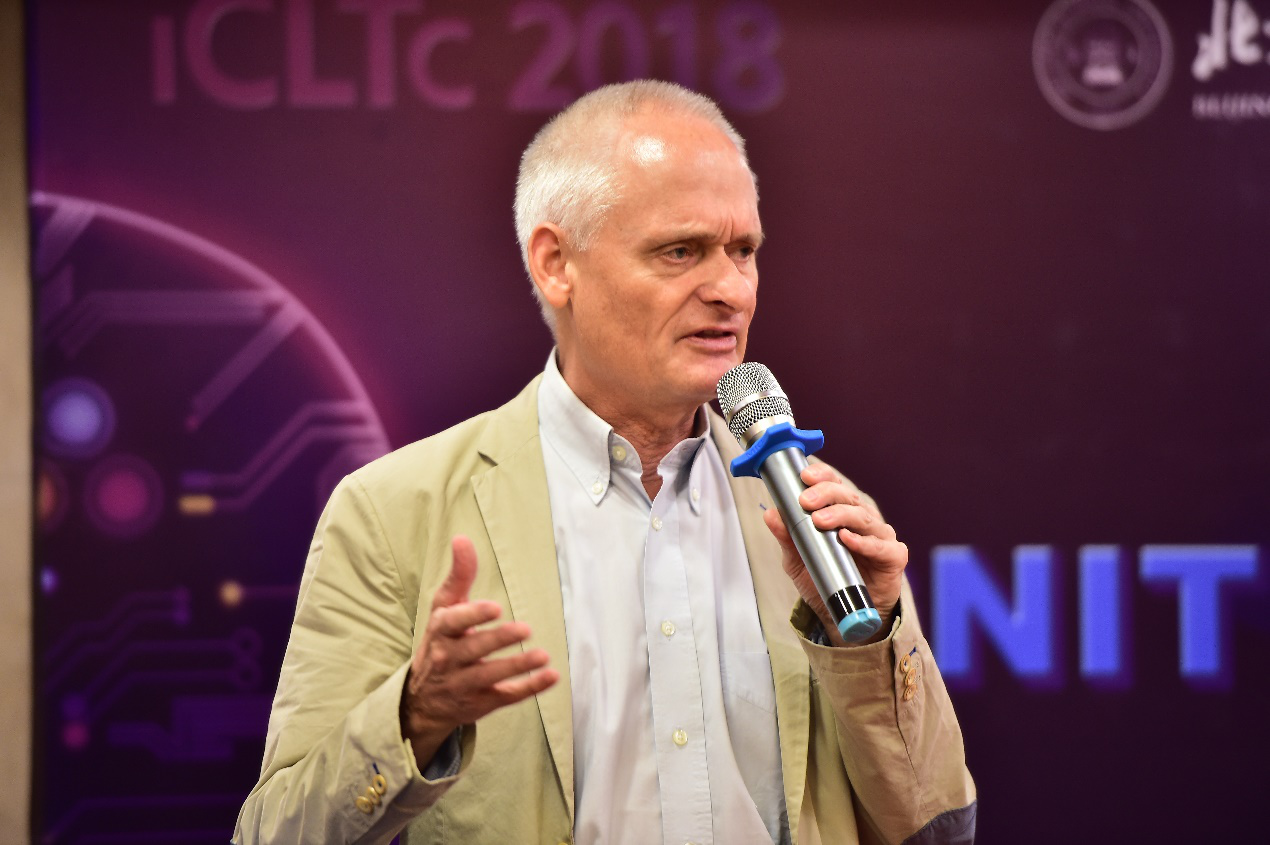
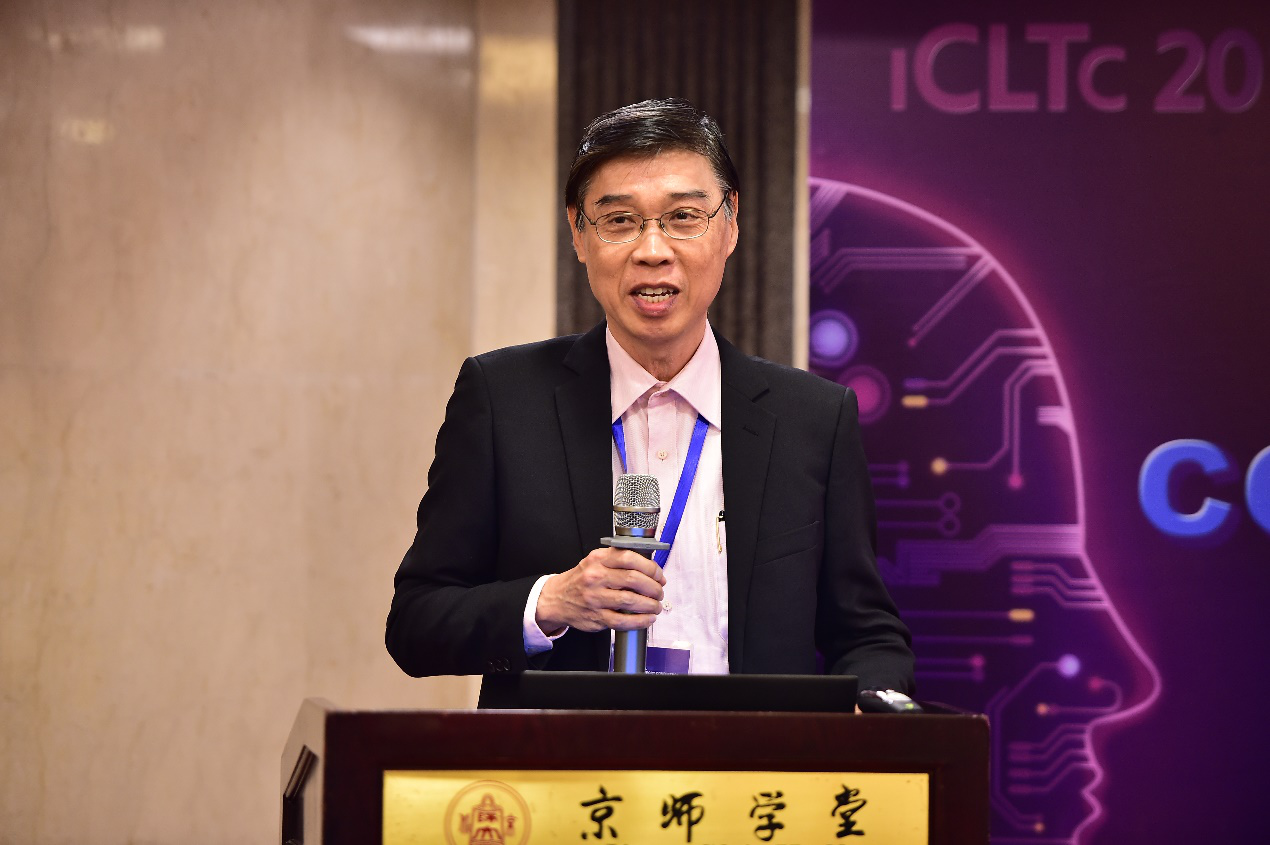
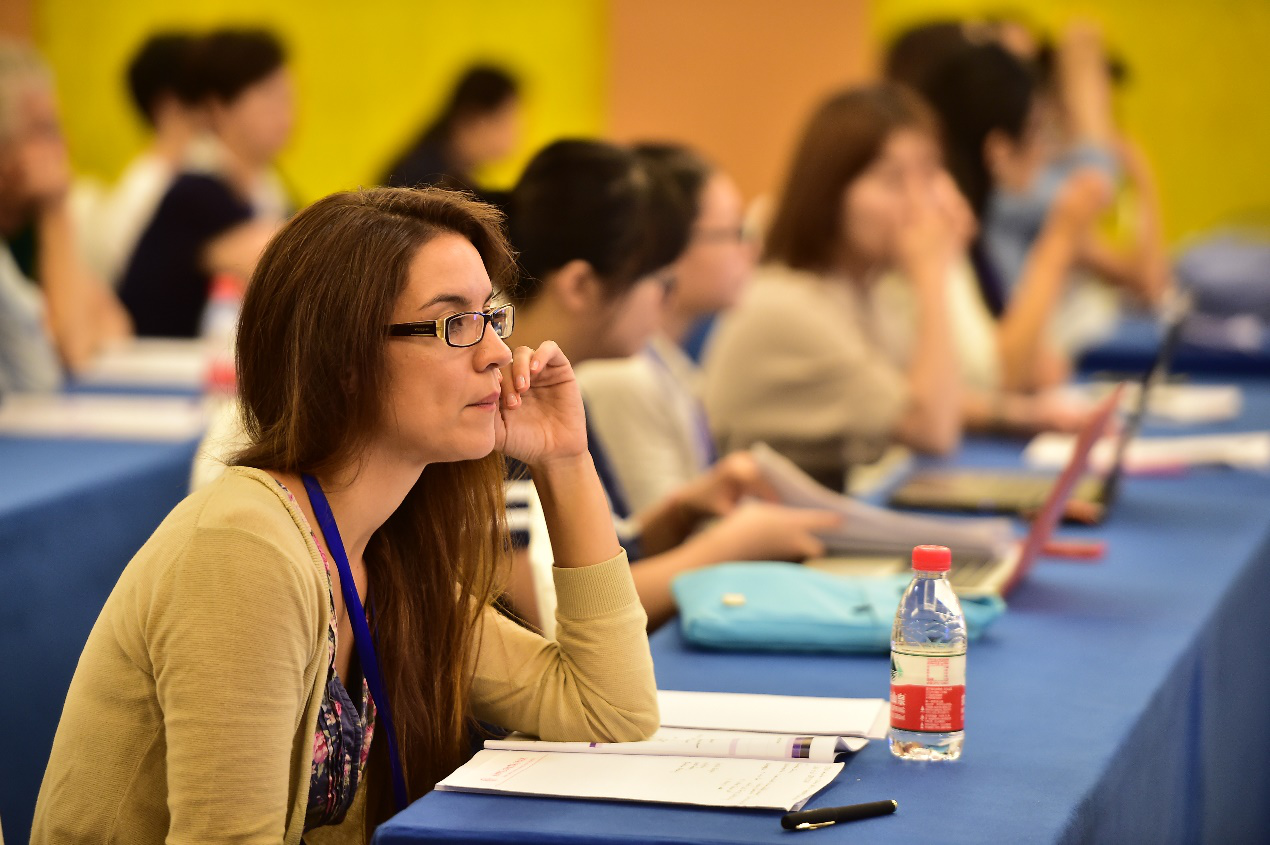
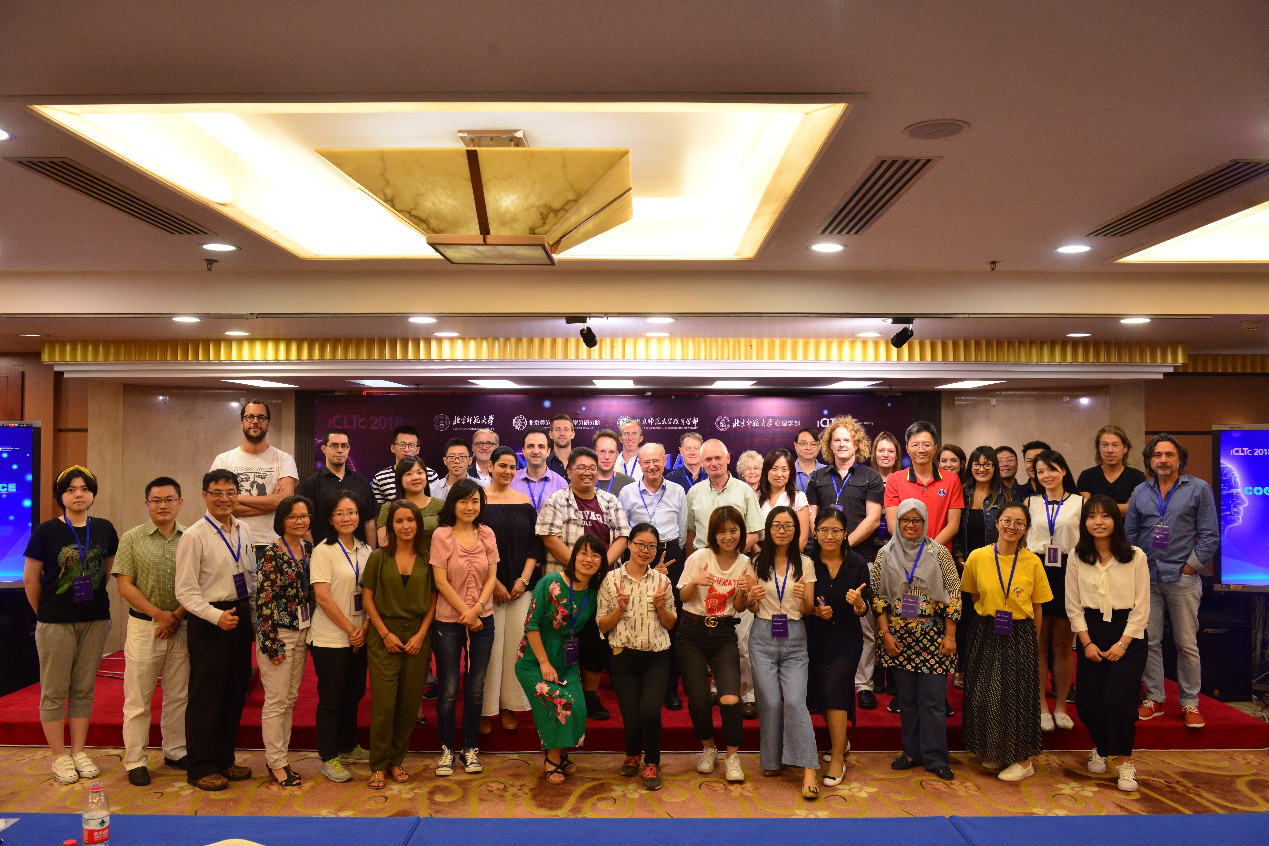
Domestic and foreign education experts, scholars and outstanding talents from related fields, such as Huang Ronghuai, Dean of SLI, John Sweller, founder of Cognitive Load Theory and Honorary Chairman of ICLTA, Liu Zijian, Executive Chairman of ICLTA, Jan L.Plass, Co-Director of the Institute of Game Education and Learning, New York University, Liu Jia, Director of School of Psychology, BNU, Detlev Leutner, Head of Department of Educational Psychology, Faculty of Education Sciences, Duisburg-Essen University, Professor Chee-Kit Looi, Nanyang Technological University, gathered together to discuss about cognitive load theory in smart learning environment. The conference, lasting for three days, including four invited keynote presentations, nine academic reports sessions and one poster session, attracted more than 100 scholars from all over the world.
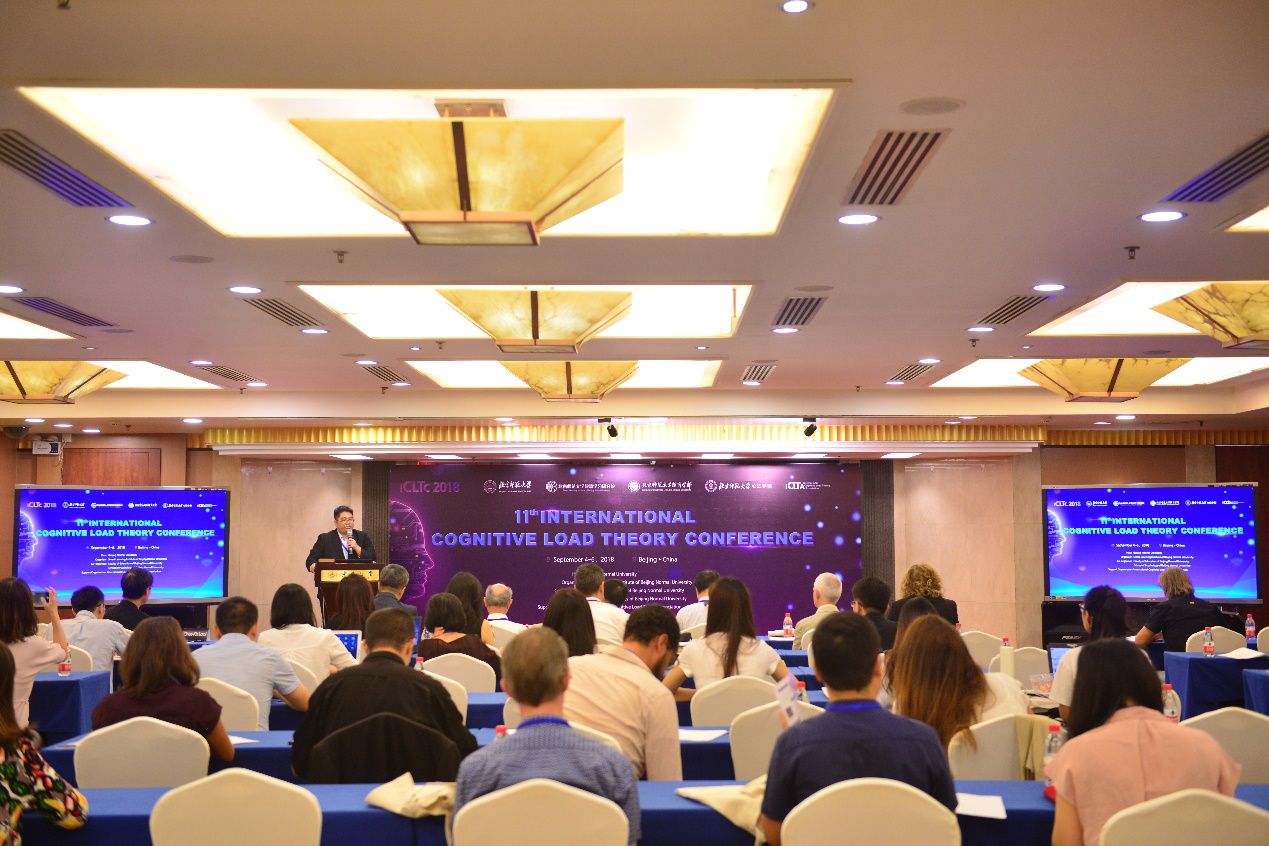
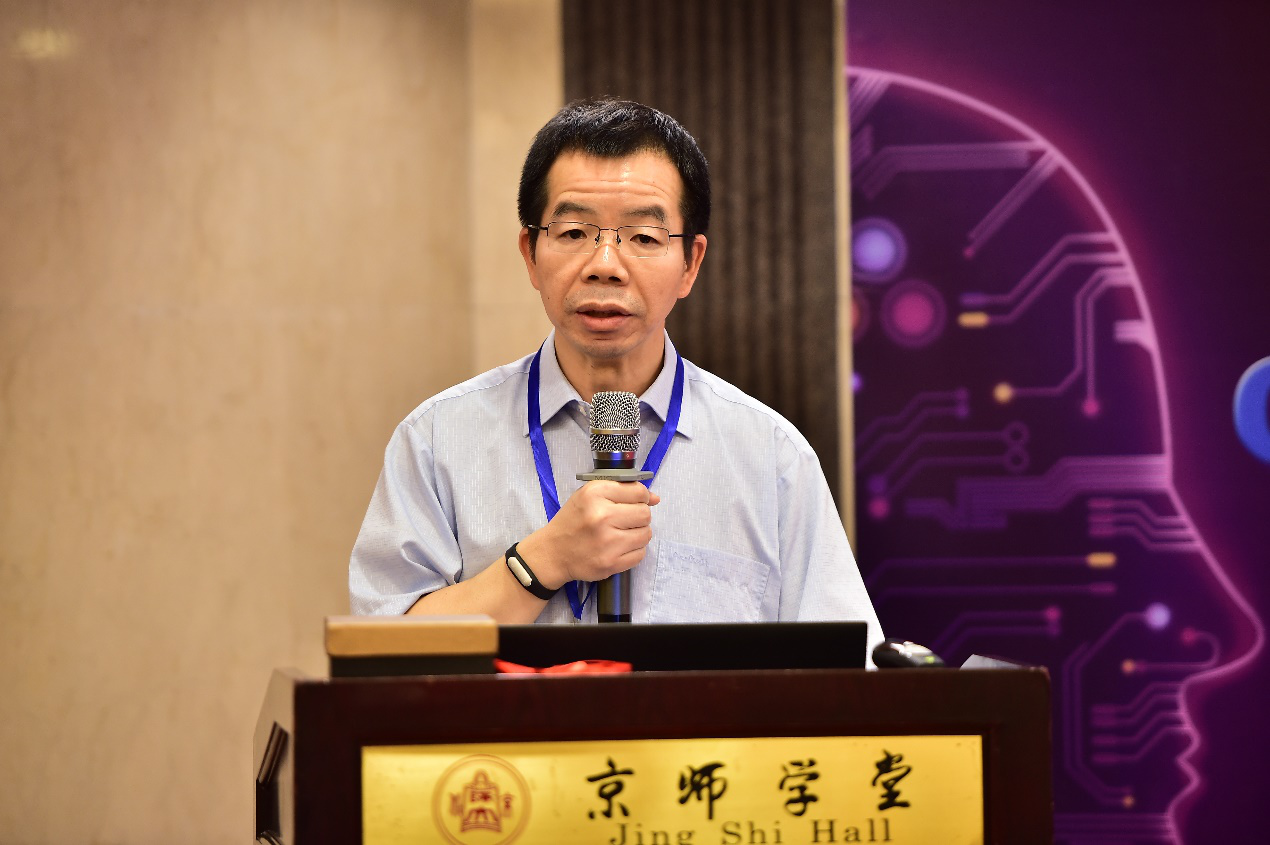
At the opening ceremony, Dean Huang Ronghuai, as the host of the organizing committee of the conference, extended a warm welcome to all the participants and introduced the important guests attending this conference.
In the keynotes session, Professor Jan L.Plass shared a report entitled “Cognitive Load Theory – Challenges and Next Steps”. He pointed out that cognitive load theory is one of the main education theories. It describes a kind of learning ability model.
Dean Liu Jia delivered a report entitled “Efficient Learning and Brain Plasticity”. He introduced two types of brain plasticity for effective learning.
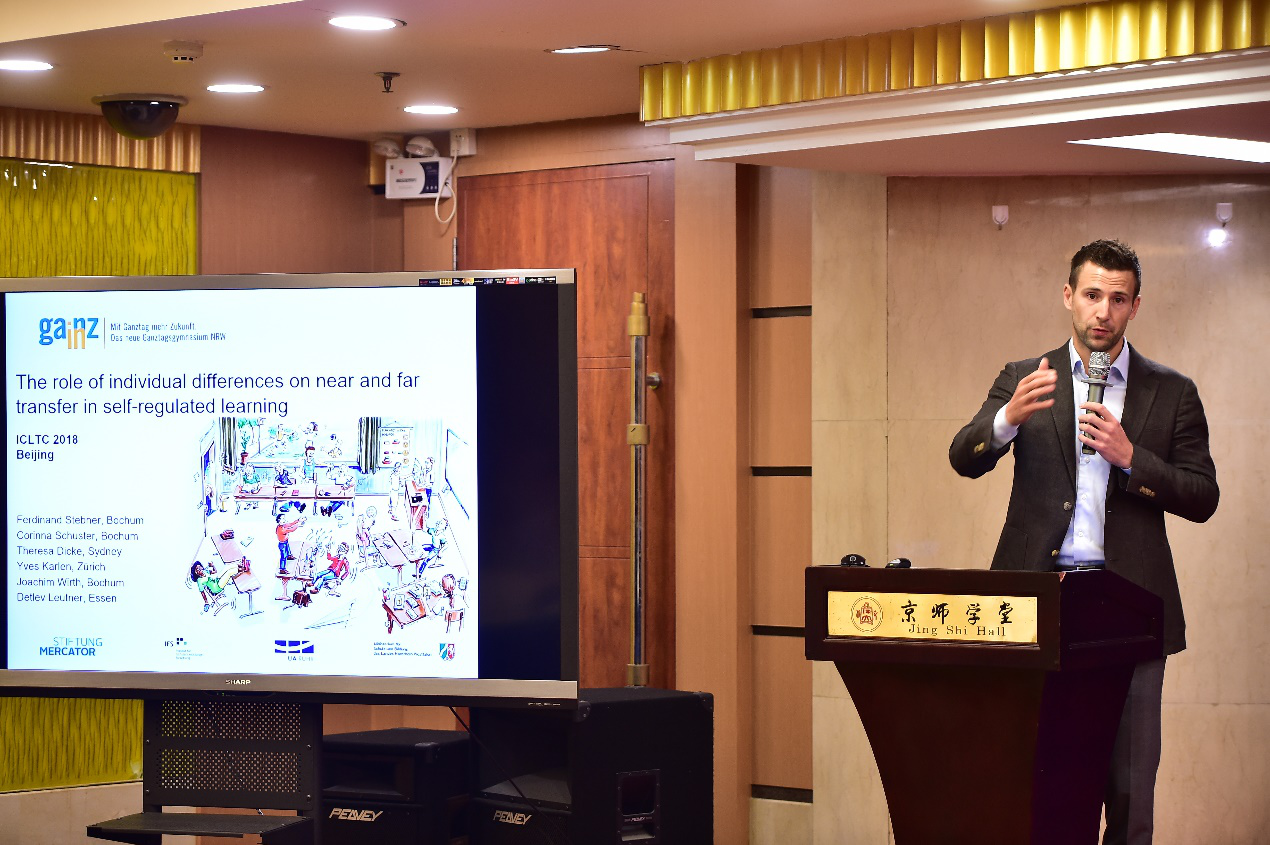
Professor Detlev Leutner presented a specific perspective on self-regulated learning in a report entitled “Self-regulated Learning and Transfer of Metacognitive Knowledge and Skills”. He pointed out that effective self-regulated learning can promote the high-quality application of cognitive learning strategies.
Professor Chee-Kit Looi's report was entitled “When Mobile Learning Meets Cognitive Load Theory”. He introduced his research and design on mobile learning activities and considered that an important challenge for further research is how to integrate cognitive load theory with mobile learning design and seamless learning.
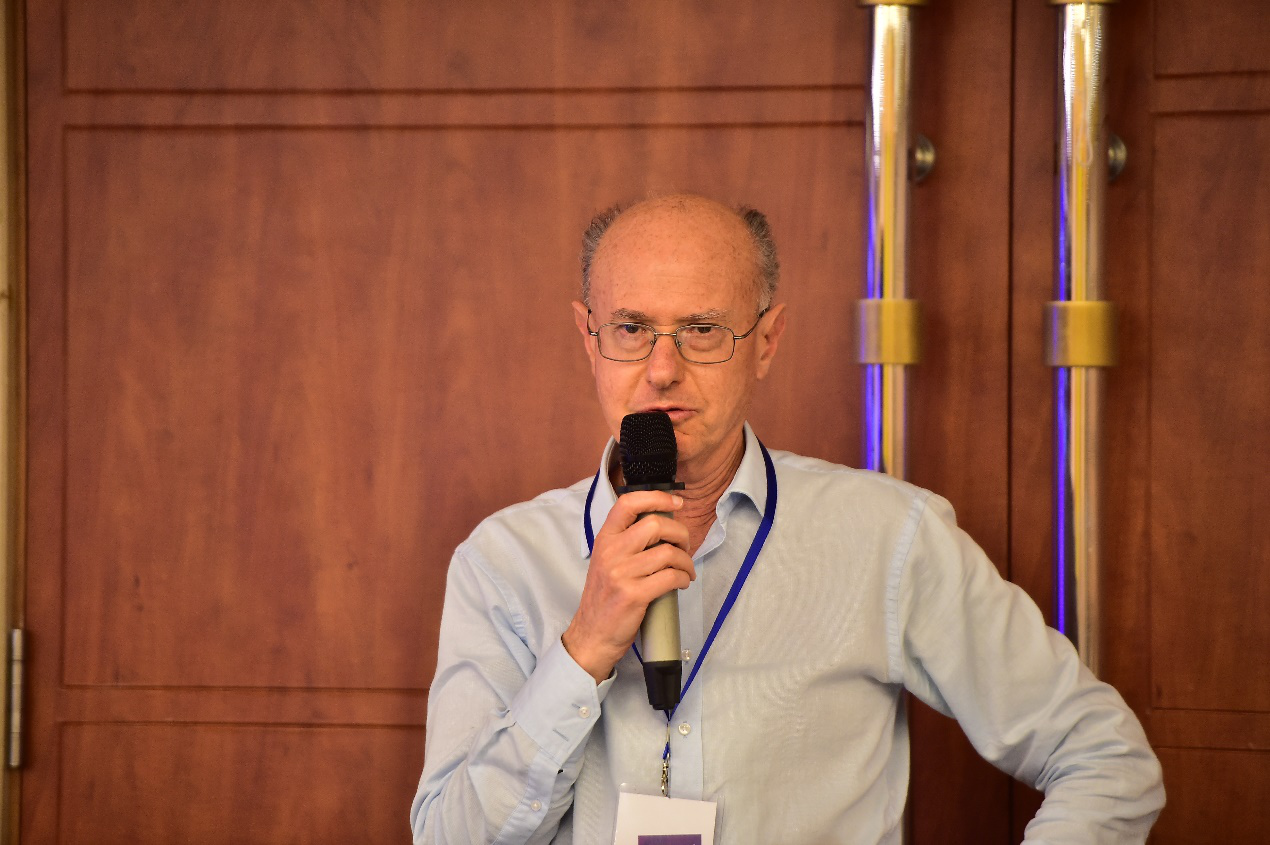
More than forty authors from different countries at the conference gave a wonderful report on their latest research results in the field of cognitive load, and conducted intense discussions on research issues with domain experts. The conference also confirmed that the next one will be held from June 17 to 19, 2019 at the University of Maastricht in Netherlands.
At the closing ceremony, John Sweller made a final speech. He summarized the important results of the conference and expressed his gratitude to all the staff who organized the conference.
The conference not only promoted academic exchanges in related fields, but also strengthened the emotional connection between domestic scholars and those abroad. It provided a good direction for scholars to rationally allocate media resources, use technical tools, and effectively design teaching strategies in smart learning environment, and maximize learners’ learning effect and promote the realization of advanced teaching goals.