
News
The Global Finals of the 9th Global Competition on Design for Futures (GCD4F), Higher Education Track, was successfully held on 24–25 October 2026 at the Changping Campus of Beijing Normal University (BNU). Co-organized by BNU and the UNESCO Institute for Information Technologies in Education (UNESCO IITE), with strong support from partner organizations, the 2026 competition was launched in January. Under the three themes of AI for Science, AI for Education and AI for Society, the regional finals were held in Africa, Central and Eastern Europe, Eastern Europe and Central Asia, and Southeast Asia. Following successive rounds of selection, 23 teams comprising nearly 100 young participants from 20 countries and regions came together at the Global Finals. Drawing on design thinking and AI, the teams explored innovative solutions to real-world challenges, reflecting the creativity and commitment of the youth worldwide to using technology for good.
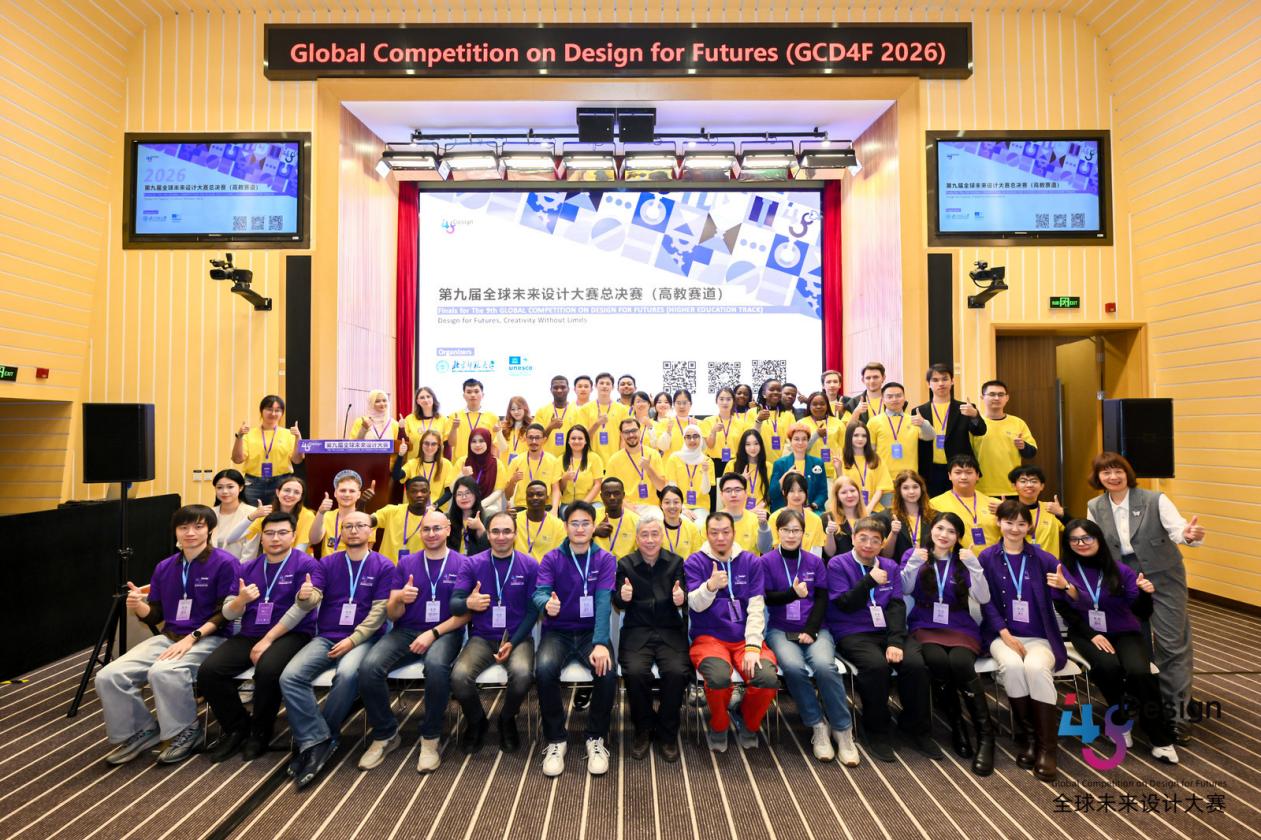
Group photo at the opening ceremony of the Global Finals
Ideas in Action · Project Presentations
The Global Finals was held in a hybrid format, combining on-site and online participation. Building on their initial proposals, the 23 participating teams refined their projects through presentations, one-to-one mentoring and iterative improvement. Following a comprehensive assessment by the mentor panel, 18 teams advanced to the Final Roadshow Presentation.
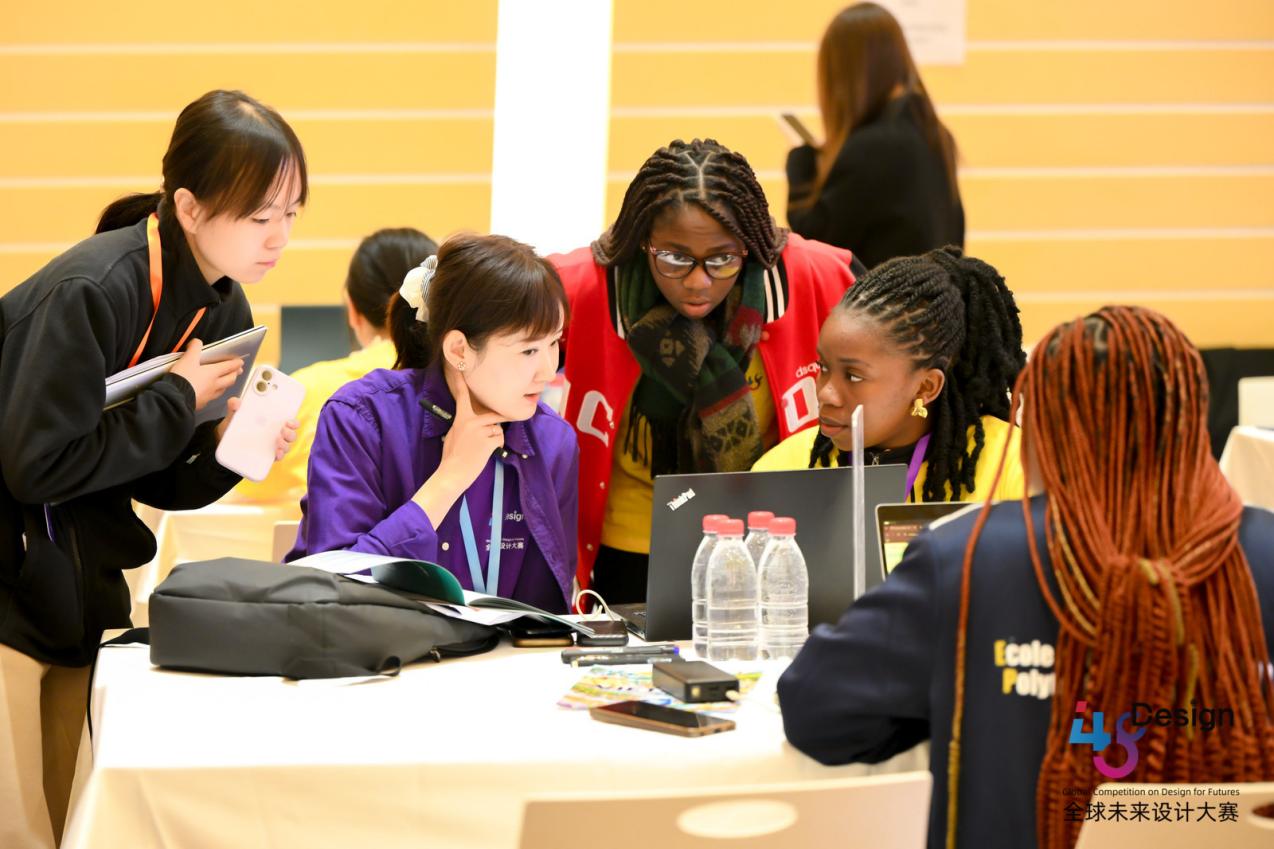
Mentors help participating teams refine their projects
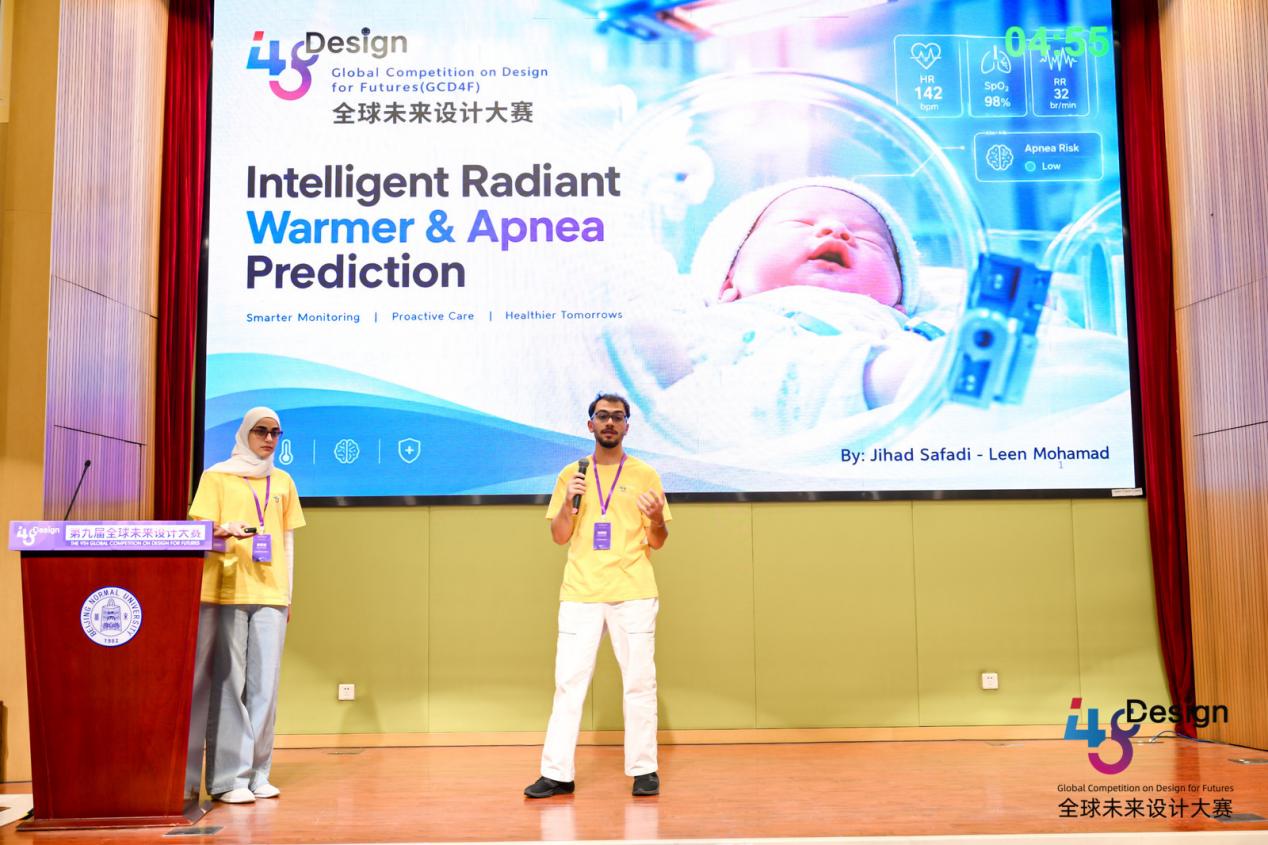
Participating teams deliver their promotion round presentations
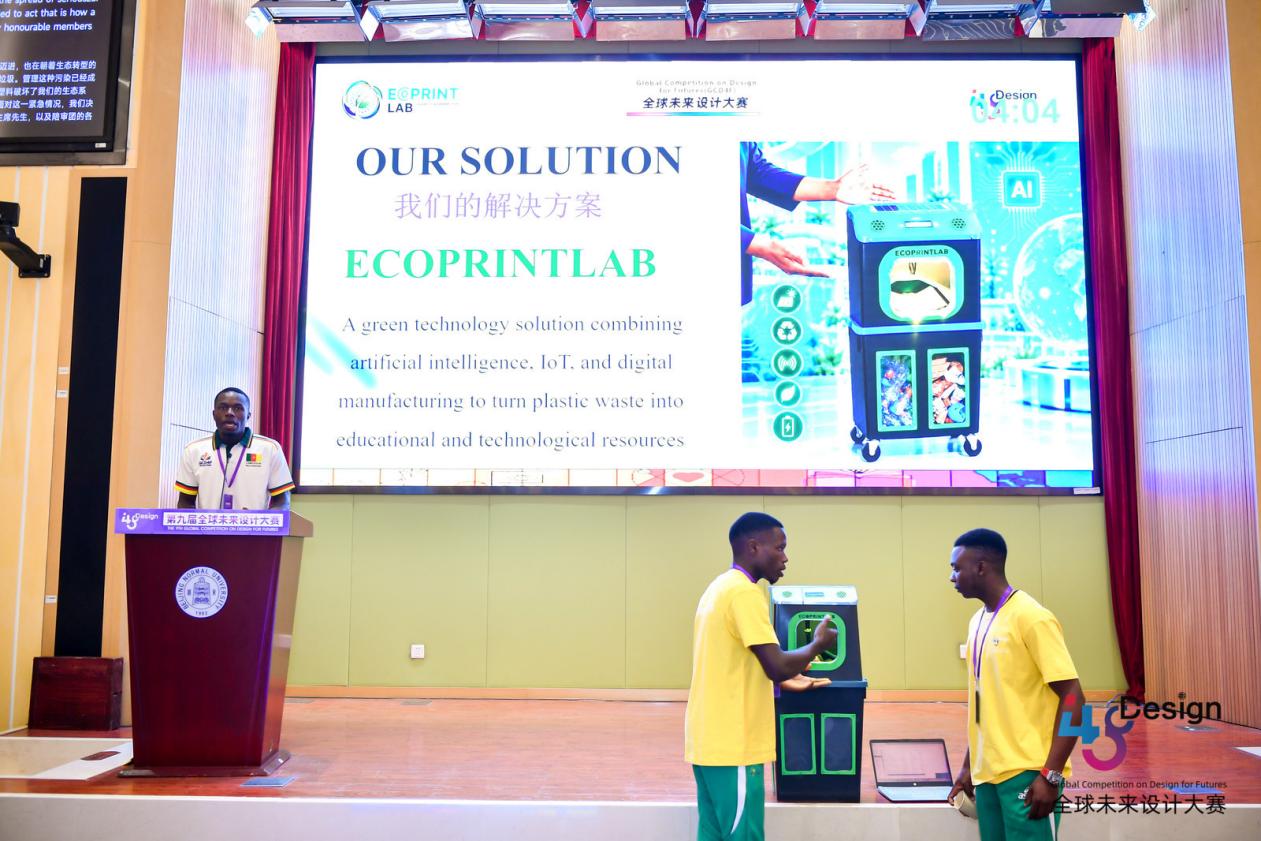
Finalists deliver their final roadshow presentations
Mentor Guidance · Fostering Innovation
The Higher Education Track Finals brought together 12 mentors from educational technology, artificial intelligence, design, learning sciences, and related fields. They were Ms. Li Yan, Associate Professor at the School of Arts and Communication, BNU; Mr. Wen Quan, founder of the independent design brand TUAN; Dr. Boulus Shehata, Assistant Professor at Smart Learning Institute of BNU; Ms. Bai Yuening, PhD, at the State Key Laboratory of Media Convergence and Communication, Communication University of China; Dr. Tingwen Chang, Assistant Dean at the Smart Learning Institute of BNU; Dr. Saeed Dahdahjani, PhD from the Academy of Arts & Design, Tsinghua University; Dr. Liu Cinnie, Postdoctoral Fellow at BNU; Mr. Zhang Ran, Technical Director AECO APAC region, Trimble Inc.; Mr. Zhang Zishuo, CEO of Beijing Yitong Shijie Education Technology Co., Ltd; Ms. Fei Cheng, Lecturer of College of Fine Arts, Capital Normal University; Dr. Zhang Yifan, Postdoctoral Researcher at the Smart Learning Institute of BNU; and Mr. Xu Pengfei, Associate Professor at School of Artificial Intelligence, BNU. Drawing on their interdisciplinary expertise, the mentors supported teams in identifying problems, refining solutions, and communicating project outcomes.
At the mentor appointment session, Prof. Chen Guangju, Chair of the GCD4F Steering Committee and Deputy Dean of the Smart Learning Institute of BNU, and Evgeny Silyanov, Vice-Rector of Moscow City University, jointly presented appointment letters to the competition mentors.
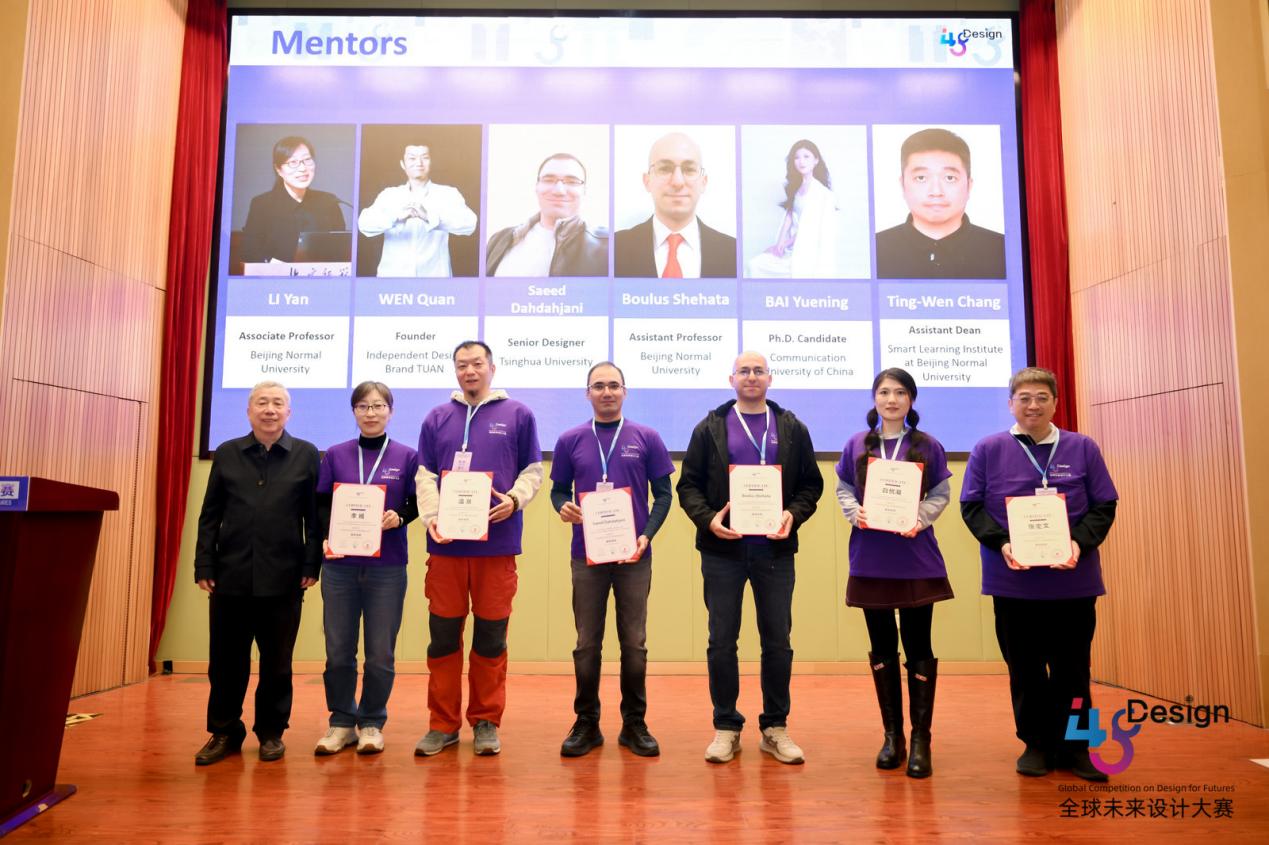
Prof. Chen Guangju presents appointment letters to the mentors
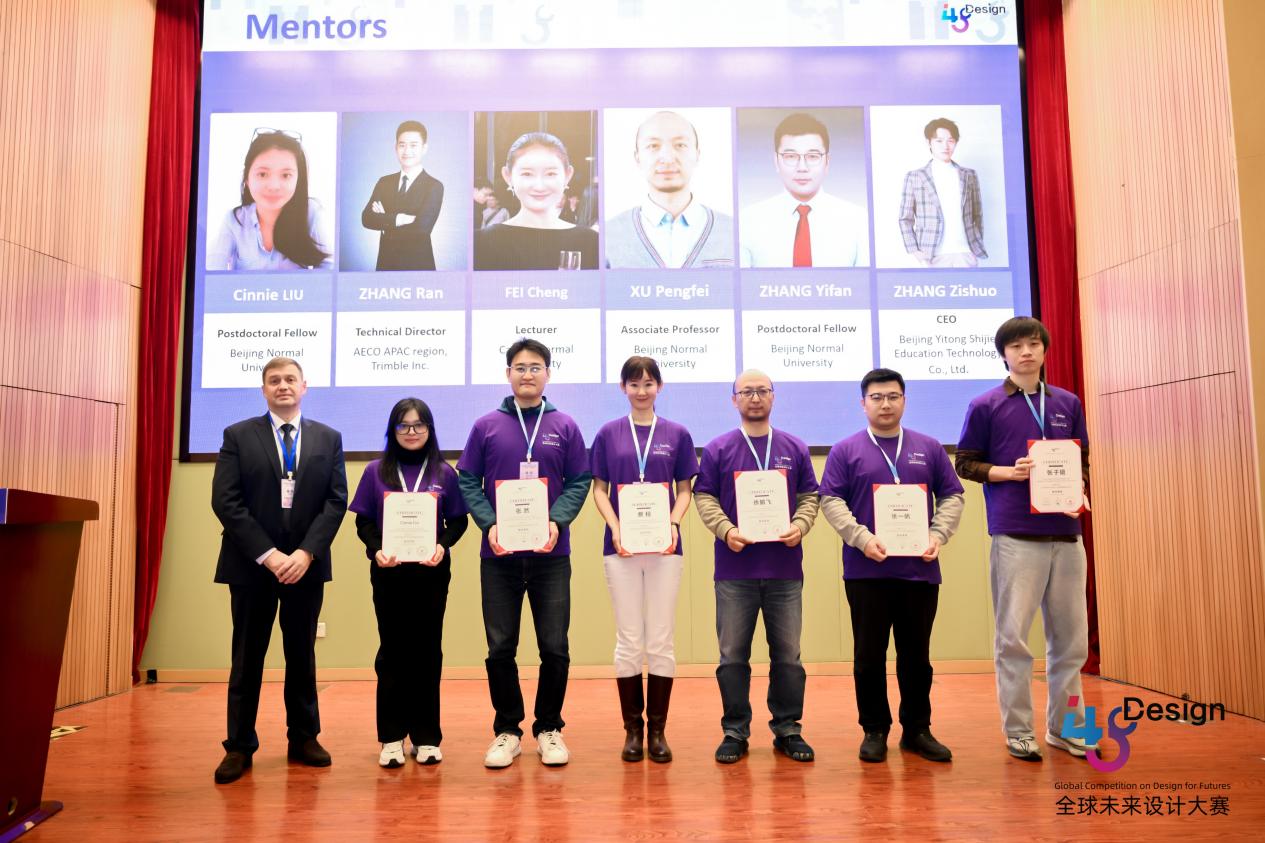
Mr. Evgeny Silyanov presents appointment letters to the mentors
AI Empowerment · Human–AI Co-Creation
Before the competition, each team used AI tools to create a cultural poster highlighting the distinctive traditions and cultural identities of its country or region. During the event, participants got to know one another through introductions, poster exchanges, and creative sharing, fostering friendship and cross-cultural dialogue.
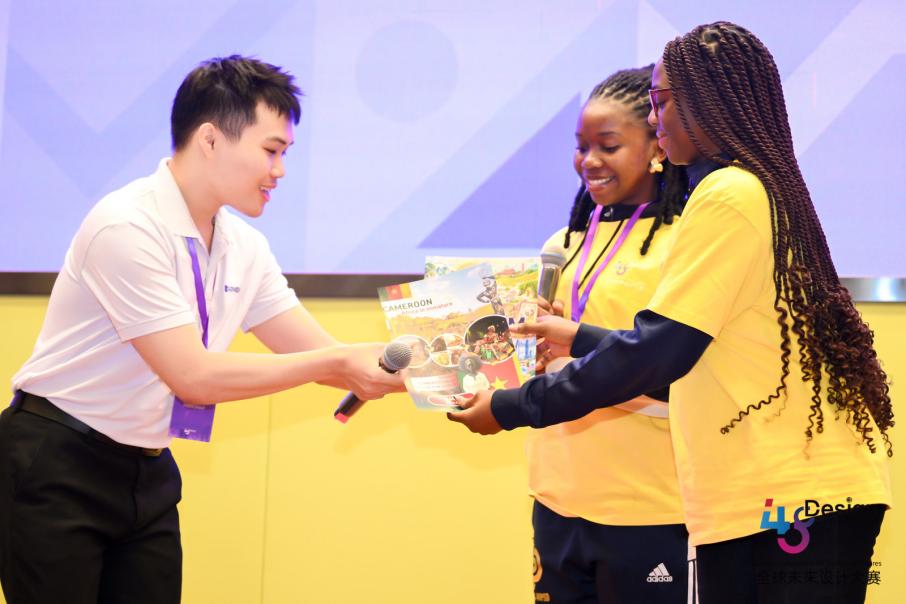
Participants exchange AI-generated cultural posters
During the project design stage, the competition introduced an AI-assisted design platform featuring Problem-Solution Fit Check Cards at three stages: initial planning, mid-stage revision and final submission. The cards guided teams in clarifying their core problems, structuring their design ideas and continuously refining their solutions. The platform also offered AI consultation and team communication features, allowing participants to receive AI-generated suggestions, share project outcomes and take part in Team Peer Review, through which the Most Popular Awards were selected.
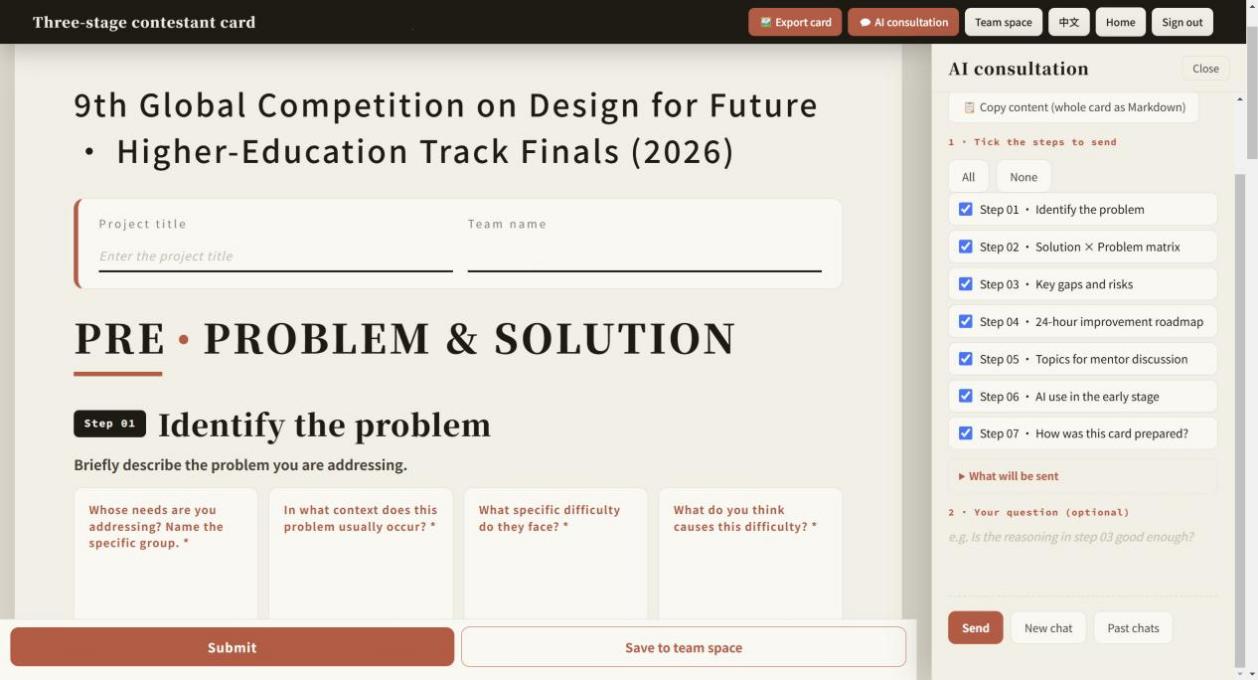
Interface of the Problem-Solution Fit Check Card
The competition also introduced AI Stakeholder Evaluation. Using participating teams’ project materials, the system simulated the perspectives of stakeholders such as teachers, students and parents to assess the innovativeness, feasibility and social value of each proposal. The resulting assessments provided additional perspectives for the jury and informed the selection of the Best AI Stakeholder Award.
Expert Evaluation · Celebrating Innovation
The finals featured a five-member international jury with expertise in education, design, and technology: Prof. Asha Singh Kanwar, Chair Professor at BNU; Song Weizu, founder of the Beijing Design Society; Dr. Joy Chen, Senior Advisor for Corporate Partnerships at the Stanford Accelerator for Learning; Ms. Elizabeth K. Colucci, Director of Education Policy and Programs at OBREAL Global; and Dr. Svetlana Knyazeva, Senior National Education Programme Officer at UNESCO IITE.
The jury evaluated the 18 finalist teams against five criteria: problem awareness, innovation spirit, technology for good, application prospect, and presentation and expression. Jury members also offered professional feedback on the use of AI, the feasibility of proposed designs, user needs and social value, recognizing the participants’ creative thinking and practical achievements.
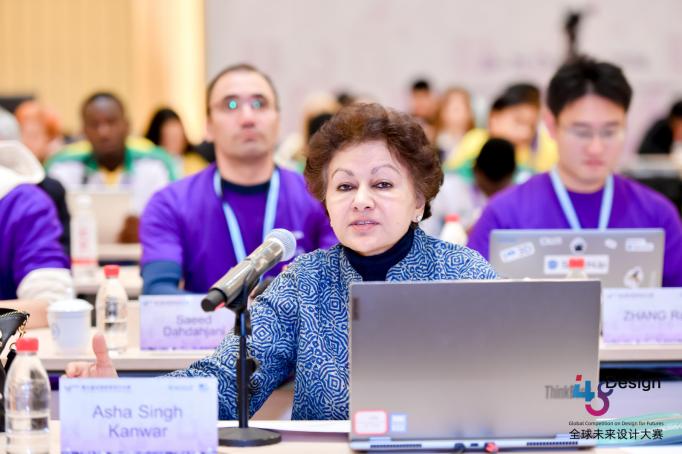
Prof. Asha Singh Kanwar provides feedback
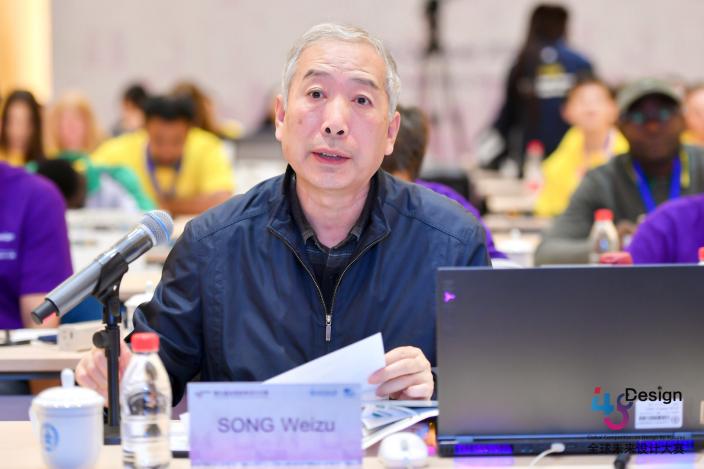
Mr. Song Weizu provides feedback
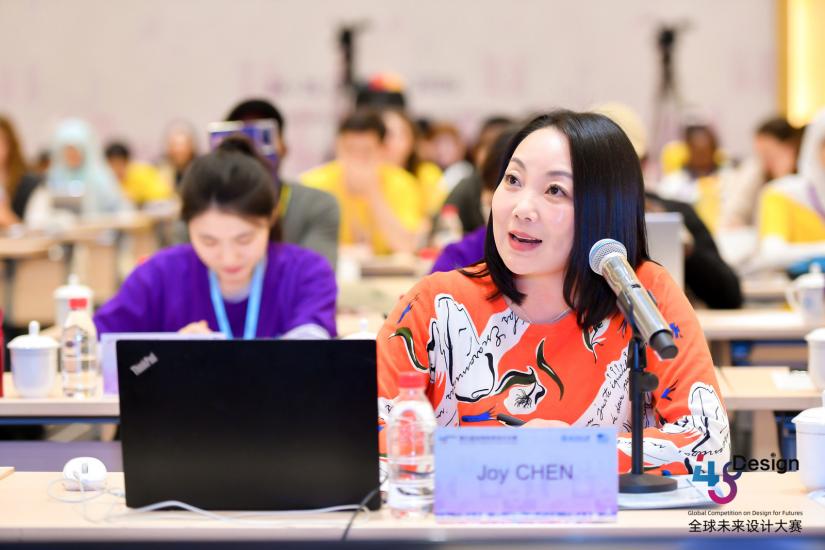
Dr. Joy Chen provides feedback
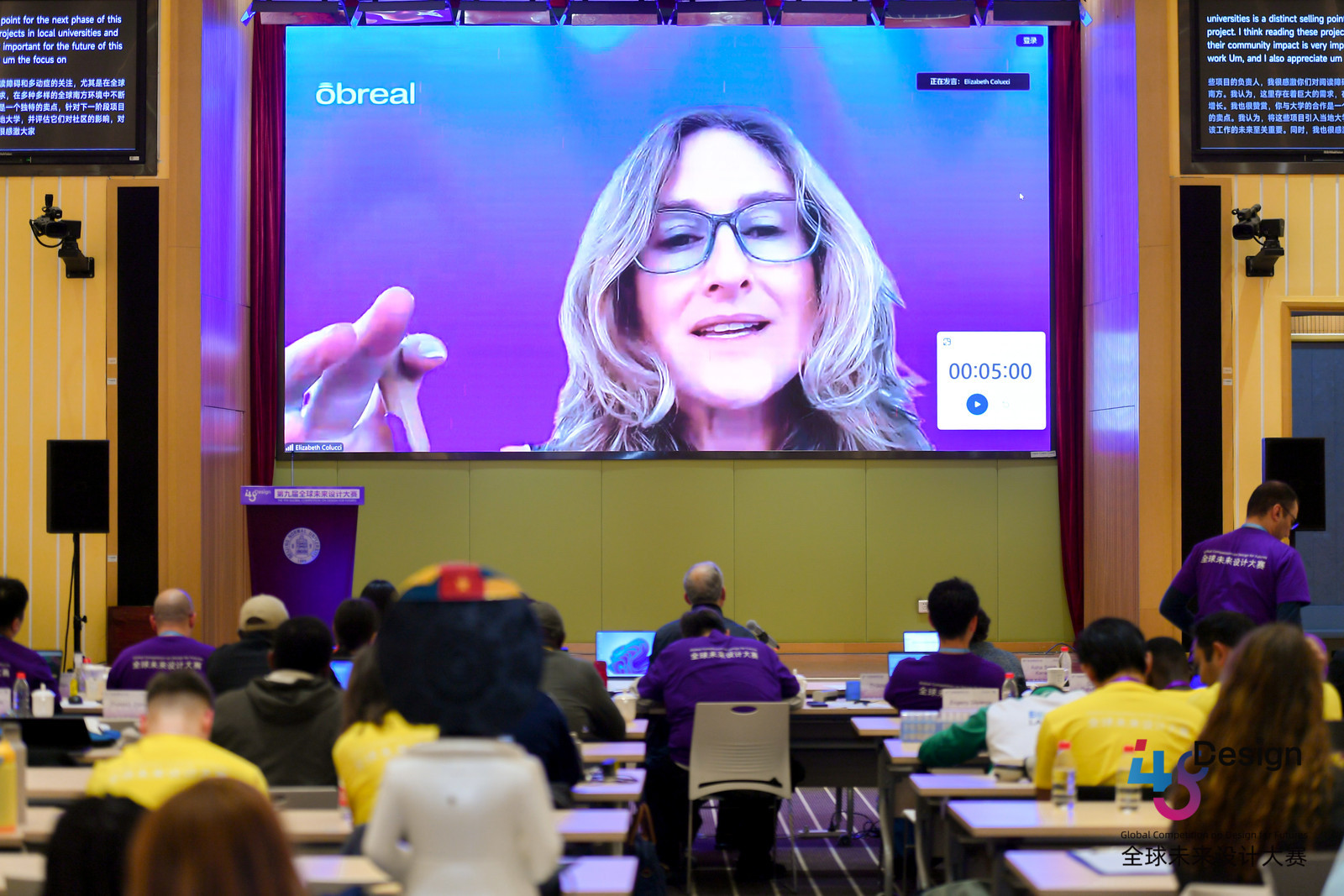
Mr. Elizabeth K. Colucci provides feedback remotely
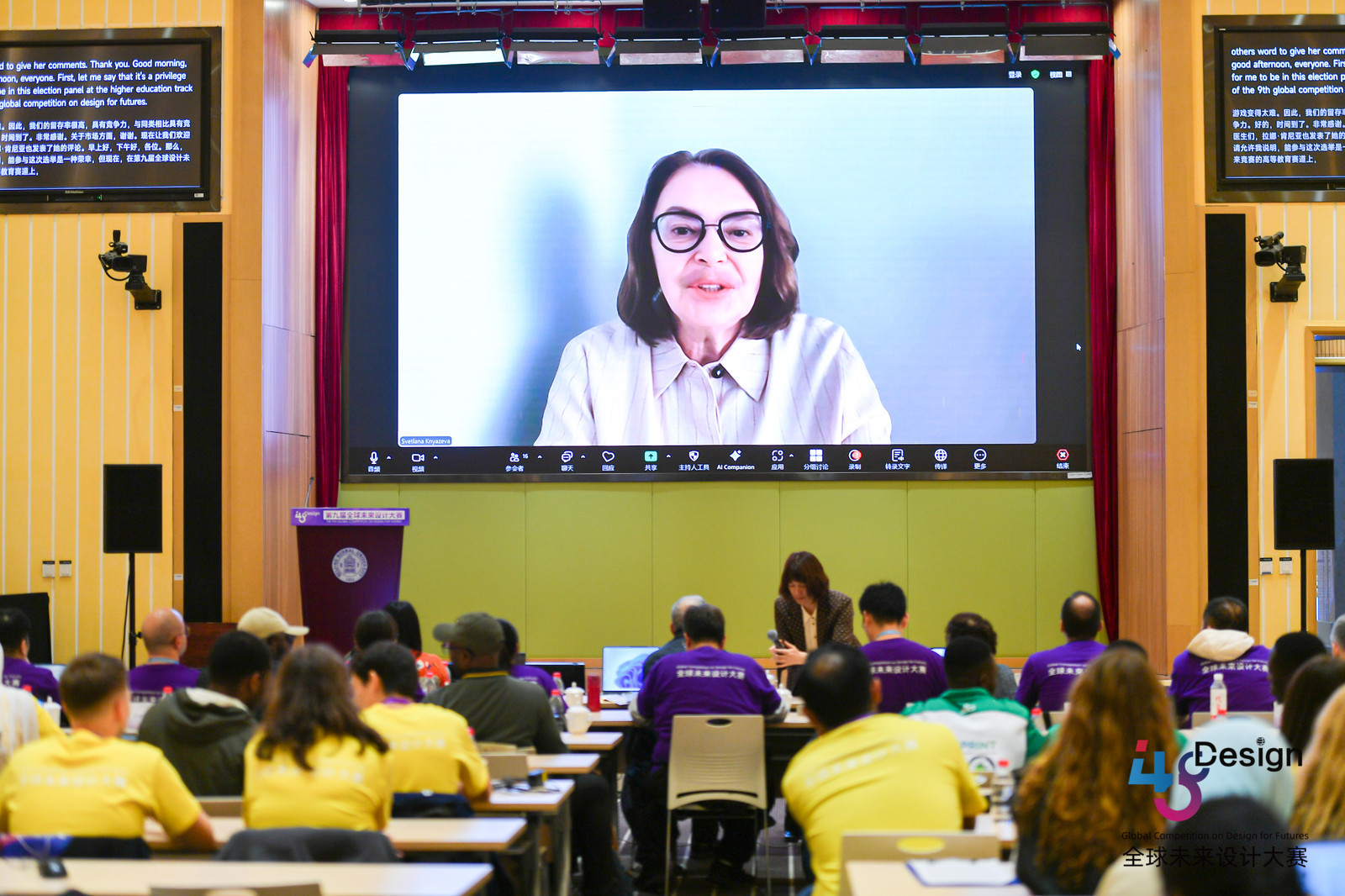
Dr. Svetlana Knyazeva provides feedback remotely
Prof. Asha Singh Kanwar announced the award results. Prof. Huang Ronghuai, Dean of the Smart Learning Institute of BNU, together with guests and mentor representatives, presented the awards to the winning teams. The Global Finals conferred one Gold Award, two Silver Awards and three Bronze Awards, as well as two Excellent Creativity Awards, two Excellent Design Awards, three Excellent Technology Innovation Awards and three Excellent Practice Awards. Special awards included the Most Popular Awards and the Best AI Stakeholder Awards. Seven other teams received Finalist Awards.
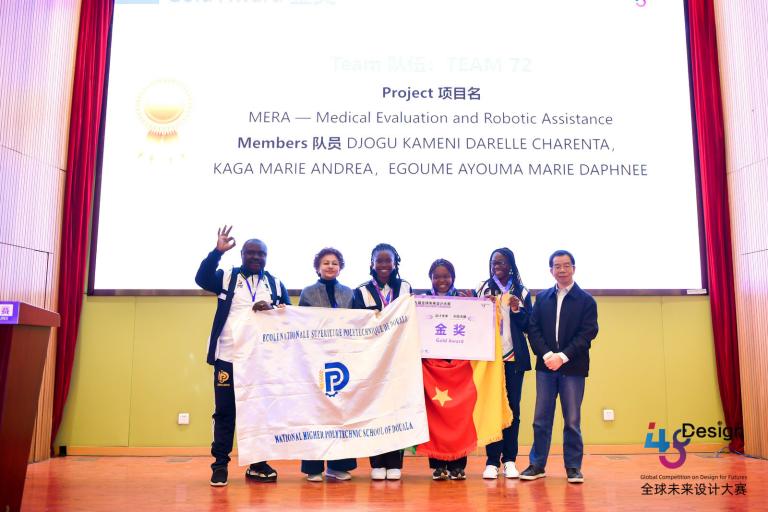
Prof. Huang Ronghuai presents the Gold Award
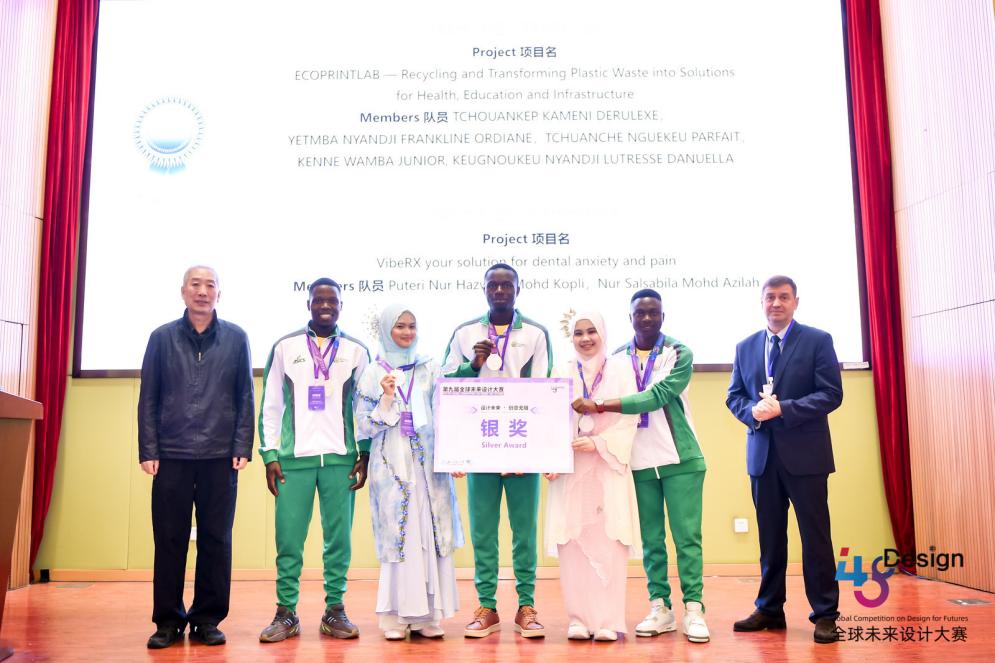
Mr. Song Weizu and Mr. Evgeny Silyanov present the Silver Awards
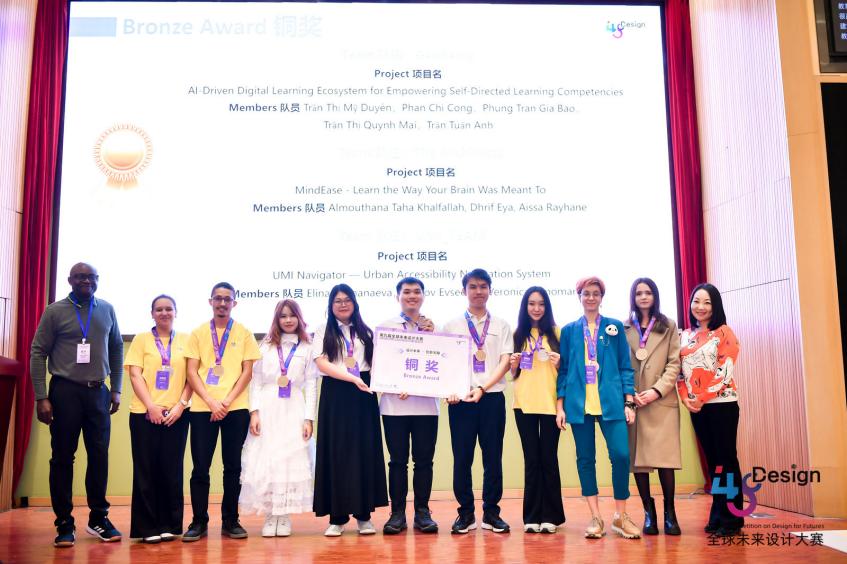
Prof. Atsa Etoundi Roger and Dr. Joy Chen present the Bronze Awards
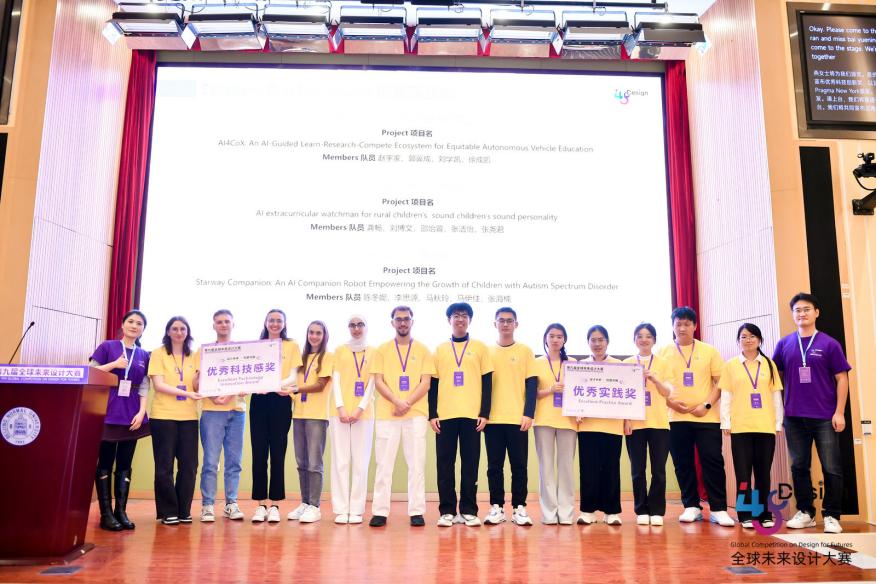
Ms. Bai Yuening and Mr. Zhang Ran present the Excellent Technology Innovation and Excellent Practice Awards
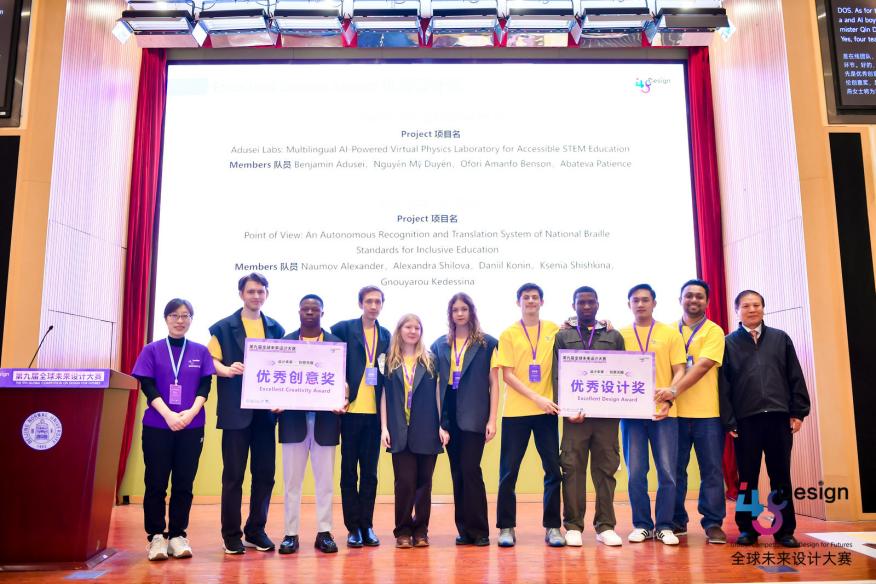
Prof. Qin Dailun and Ms. Li Yan present the Excellent Creativity and Excellent Design Awards
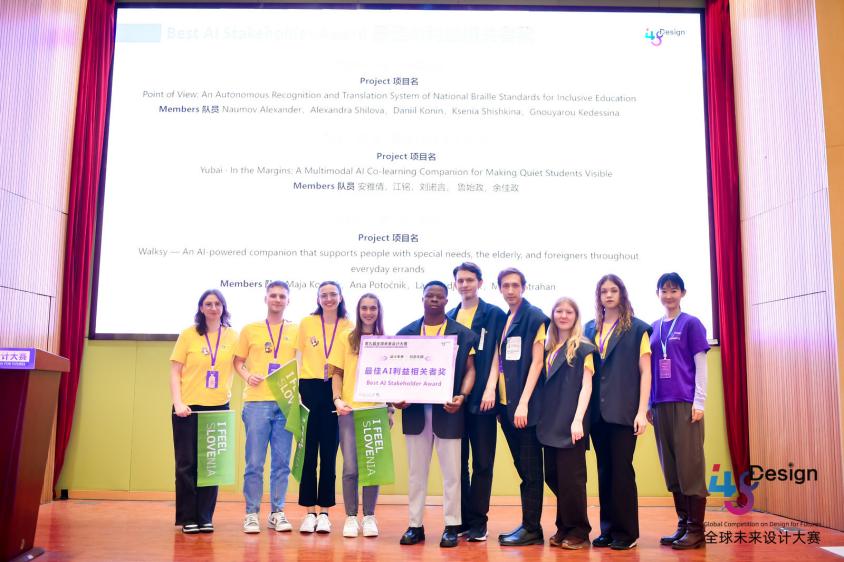
Ms. Fei Cheng presents the Best AI Stakeholder Awards
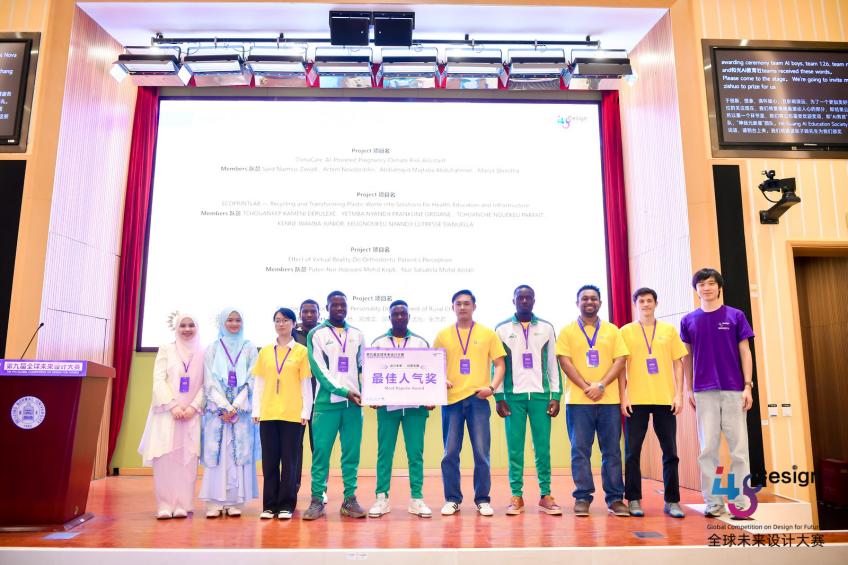
Mr. Zhang Zishuo presents the Most Popular Awards
Messages from Guests · Looking Ahead
At the closing ceremony, Prof. Asha Singh Kanwar, Mr. Evgeny Silyanov, and Prof. Atsa Etoundi Roger, Chief Information Officer at Cameroon’s Ministry of Higher Education, congratulated the participating teams. They commended the young innovators’ achievements and expressed their hopes for deeper international collaboration and continued support for youth-led innovation.
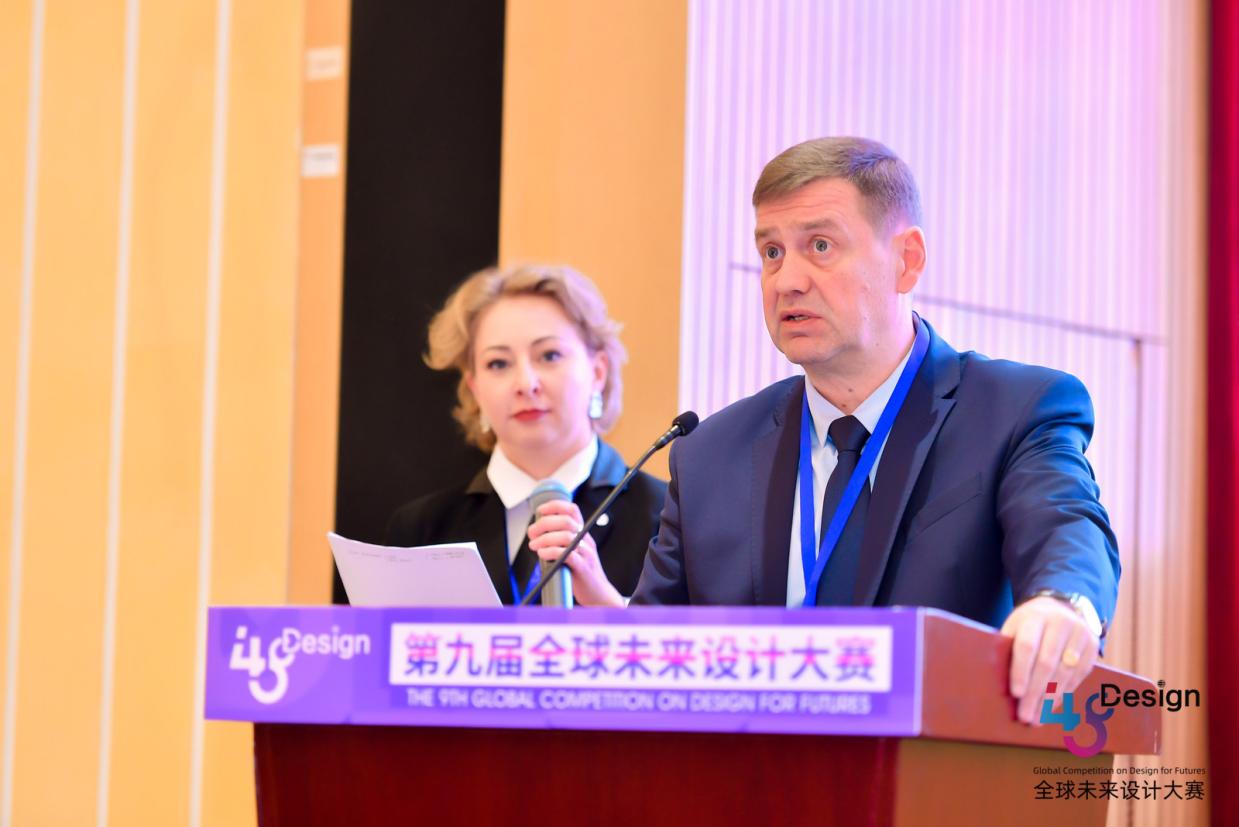
Mr. Evgeny Silyanov addresses the participants
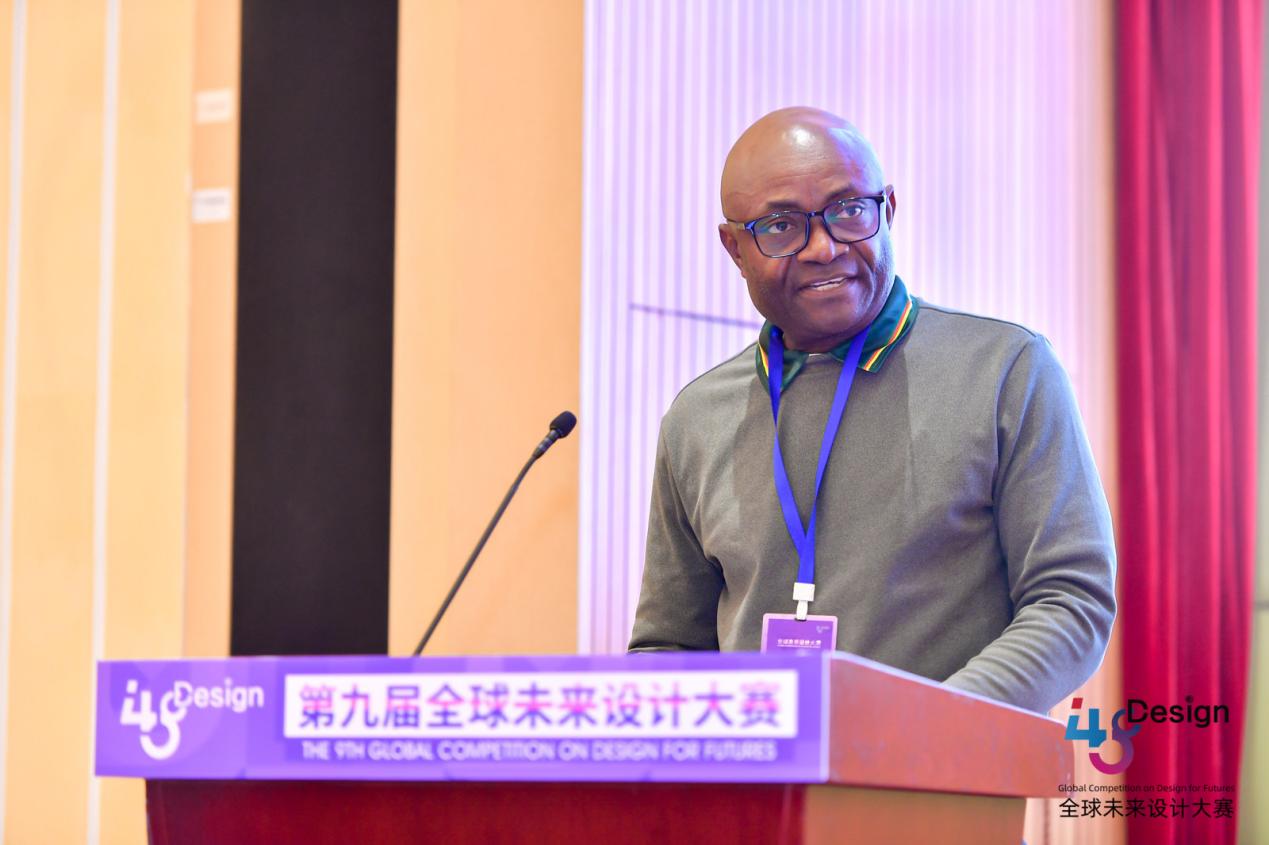
Prof. Atsa Etoundi Roger addresses the participants
In his closing remarks, Prof. Chen Guangju reflected on the competition’s development since its inception in 2018. He commended the participating students for integrating design thinking and AI in their innovative explorations across science, education and society, and thanked the contestants and partner organizations for their contributions. Looking ahead to the competition’s tenth anniversary in 2027, he expressed his hopes for deeper international collaboration and broader participation by young people worldwide in shaping a more inclusive and sustainable future.
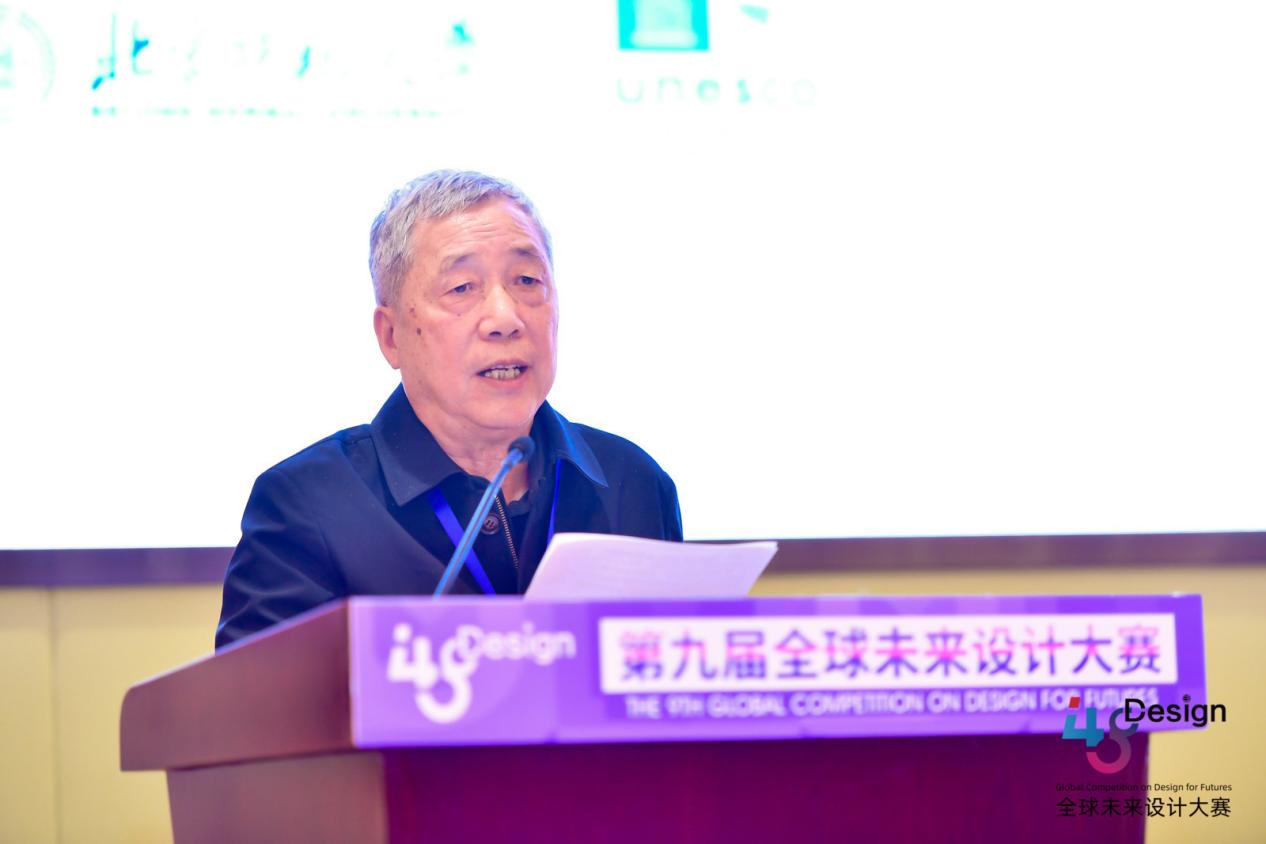
Prof. Chen Guangju delivers the closing remarks
The Global Finals of the 9th Global Competition on Design for Futures (Higher Education Track) has successfully concluded, but the spirit of innovation continues. We look forward to seeing more young people respond creatively to the challenges of our time and harness technology to build a better future. We look forward to meeting again in 2027 for the competition’s tenth anniversary!