Southeast Asia Regional Finals of 2026 Global Competition on Design for Futures Successfully Held at Open University Malaysia
The Southeast Asia Regional Finals of the Higher Education Track of the 9th Global Competition on Design for Futures (GCD4F 2026) were successfully convened at Open University Malaysia (OUM) on 20–21 July 2026. Co-organised by Beijing Normal University (BNU) and the UNESCO Institute for Information Technologies in Education (UNESCO IITE), the event was jointly hosted by OUM, the Smart Learning Institute of BNU, and the UNESCO Chair on Artificial Intelligence in Education (UNESCO AIED). Seventeen university teams from Malaysia, Vietnam and other countries in the region took part in the event. Through a series of intensive training session, project refinement, and pitch presentations, the young participants demonstrated their capacity to apply artificial intelligence and design thinking to generate diverse and innovative solutions to pressing issues in education, science, and society at large.
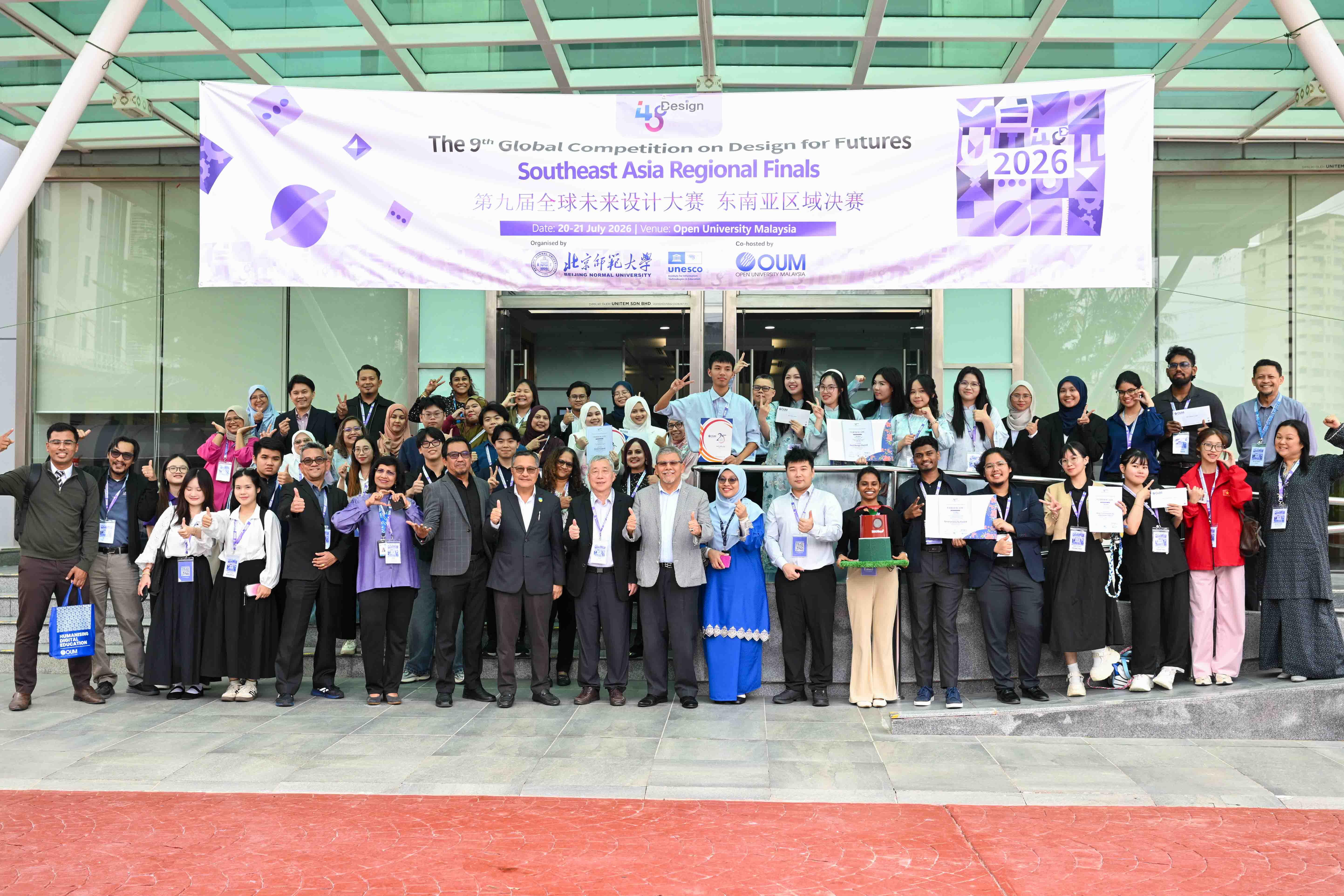
Group Photo of the Southeast Asia Regional Finals, 2026 GCD4F
Event Opening: A Convergence of Diverse Youth for a Shared Innovation Pact
Prof. Chen Guangju, Deputy Director of the Smart Learning Institute of BNU and Chair of the GCD4F Steering Committee, noted in his address that since its inception in 2018, the competition has connected over 600 universities across more than 40 countries and regions, establishing itself as a premier platform for international youth innovation. In 2026, building upon its educational foundations, the competition was formally upgraded to the "Global Competition on Design for Futures", with a strategic focus on three tracks: AI for Science, AI for Education, and AI for Society. This framework is designed to guide young participants in harnessing design thinking to chart pathways towards sustainable development. He encouraged the students to venture beyond conventional thinking, to dare to envision alternative futures, and to sustain their curiosity and mutual receptivity through cross-cultural dialogue, so as to collectively articulate, from diverse perspectives, a future that is more inclusive, sustainable, and deeply humanistic.
YBhg. Prof. Dato' Dr Ahmad Izanee Awang, Vice-Chancellor of OUM, observed in his remarks that the competition is not merely a contest, but a bridge—connecting youthful creativity with real-world needs, and spanning disciplines as well as cultures. He underscored that the true value of artificial intelligence resides not in the technology itself, but in its potential to enhance human lives and expand opportunities in wise and responsible ways. OUM remains steadfast in its commitment to advancing educational equity through digital innovation and to providing the region's youth with a springboard towards the future. He expressed his aspiration that more participants would respond to the defining challenges of our time through design thinking, and inscribe their generation's answers at the intersection of technology and human-centred values.
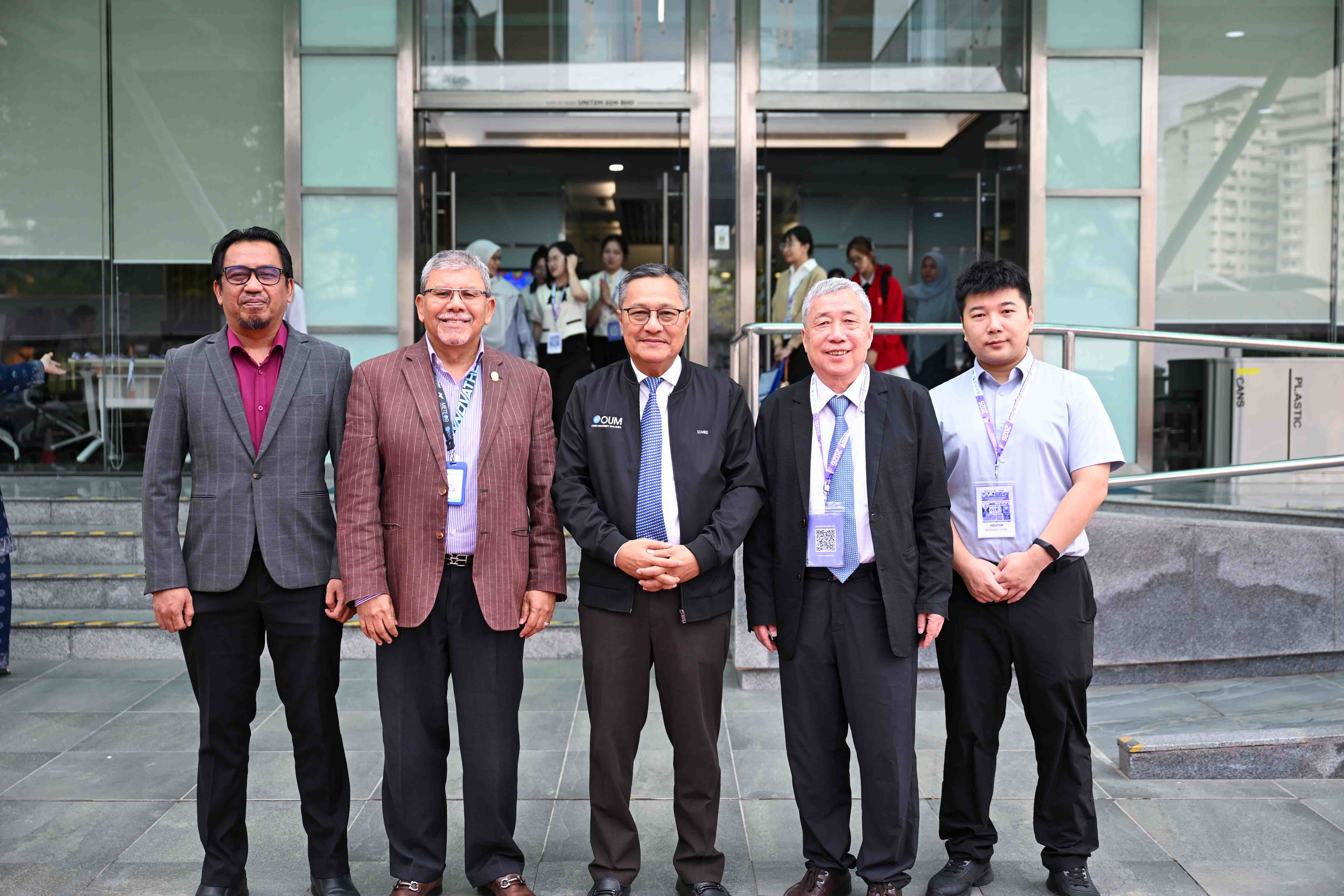
Group Photo of Distinguished Guests at the Southeast Asia Regional Finals, 2026 GCD4F
Mentorship Sessions: Fostering Tool Application and Iterative Project Refinement
During the dedicated training phase, Dr. Zhang Yifan, Postdoctoral Research Fellow at BNU and GCD4F Mentor, delivered a systematic exposition on project design essentials, key evaluation criteria, and presentation techniques. His session was structured around the five core judging dimensions: problem awareness, innovation spirit, technology for good, application prospect, presentation and expression. This provided participating teams with a clear methodological framework and encouraged them to deeply integrate creative ideation with technical implementation.
In the project refinement segment, a mentorship panel was convened, comprising Prof. Ir. Dr Ahmad Nizar Bin Harun, Chief Executive Officer of MIMOS College; Mr. Mohd Aiman Junoh, Head of Digital Innovation and Experience, Digital Services Division, METEOR Group; and Dr. Zhang Yifan. The panel offered tailored guidance to each team, drawing on the specificities of their respective projects. Their recommendations addressed dimensions such as target user identification, functional design, technological application, and deployment scenarios, thereby assisting participants in sharpening their project positioning, optimising their solutions, and advancing the continuous iteration and practical translation of their innovative concepts.
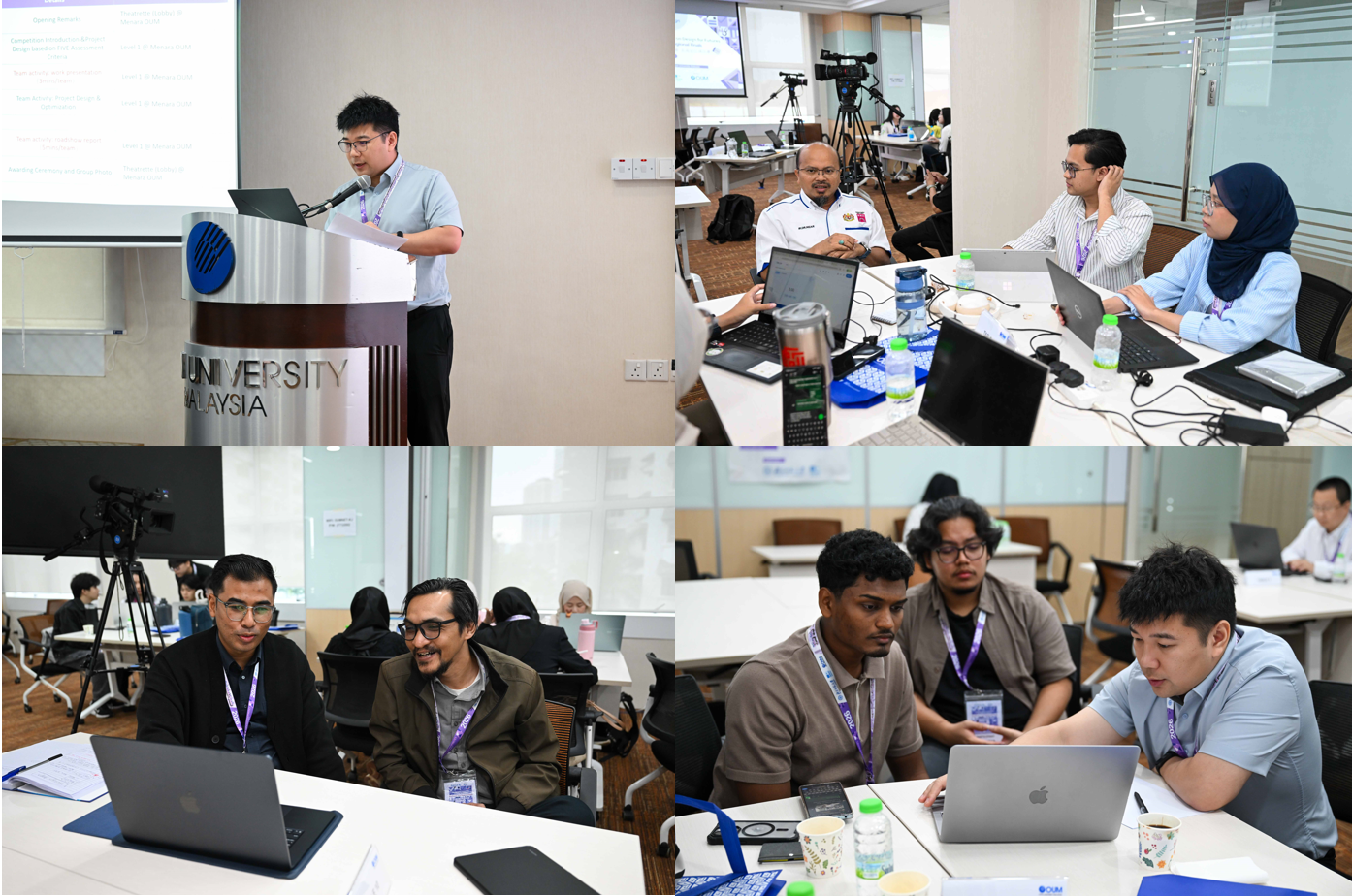
Thematic Training and Mentorship Sessions
Roadshow Report: Addressing Real-World Needs and Responding to Contemporary Challenges
The 17 teams that advanced to the regional finals focused on innovative applications of artificial intelligence across education, science, and society, with topics spanning self-directed learning, emotional support, cultural preservation, language acquisition, medical imaging, and intelligent elderly care. Grounded in authentic needs, the participating teams presented complete lines of reasoning—from technical pathway design to the substantiation of application prospects. Notable innovations included medical imaging-assisted diagnostic systems, geographic simulation platforms, virtual reality orthodontic solutions, personalised educational tools for children with autism, digital learning ecosystems, and moss-based biofiltration towers—each distinguished by its unique strengths and compelling vision. By anchoring their work in real-life narratives and practical challenges, the young participants seamlessly integrated artificial intelligence, design thinking, and human-centred values, demonstrating the transformative power of technology for good in addressing the imperatives of educational transformation, scientific advancement, and sustainable development.
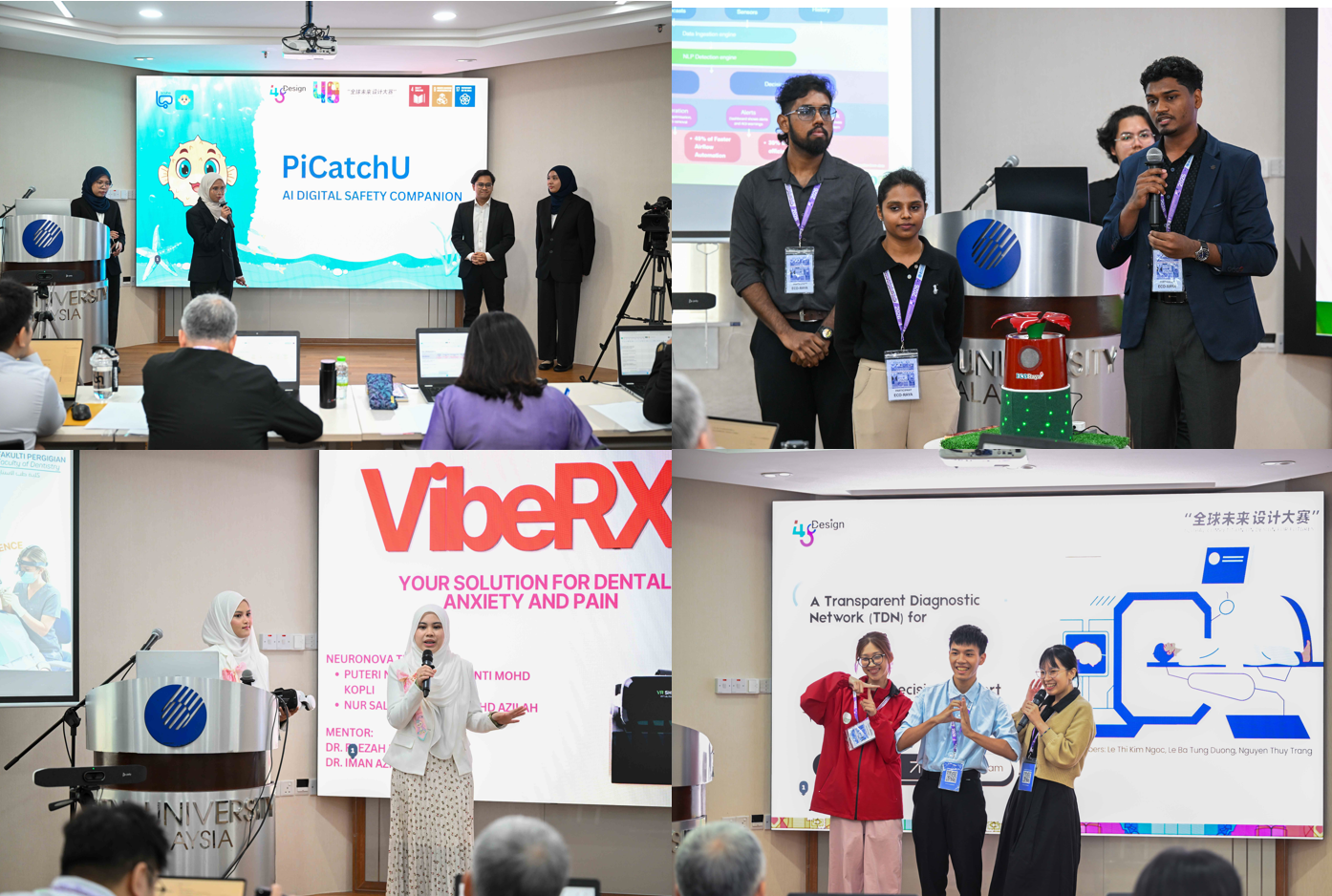
Participating Teams Delivering Their Pitch Presentations
Jury Members: Scrutinising Technical Details and Ensuring Viable Implementation
The jury members for the Southeast Asia Regional Finals comprised Prof. Chen Guangju, Deputy Director of the Smart Learning Institute of BNU and Chair of GCD4F Steering Committee; Prof. Datin Dr. Santhi Raghavan, Vice-Chancellor of OUM; and Mr. Ishar Bin Ismail, Director of Digital Services Division, METEOR Group. The panel conducted a comprehensive assessment of the participating projects against the five assessment criteria. Drawing on their respective areas of expertise, the jury members engaged in in-depth deliberations on issues including the accuracy of dialect transcription and cultural information validation, the interpretability and trustworthiness of AI models, the distinctive value proposition of digital safety tools, and the adaptability of game-based learning approaches across diverse age groups. In diagnosing potential shortcomings, the panel offered targeted recommendations pertaining to data foundations, functional design, ethical boundaries, and pathways to deployment, thereby empowering the youth teams to translate their technological visions into reliable, inclusive, and practically impactful applications.
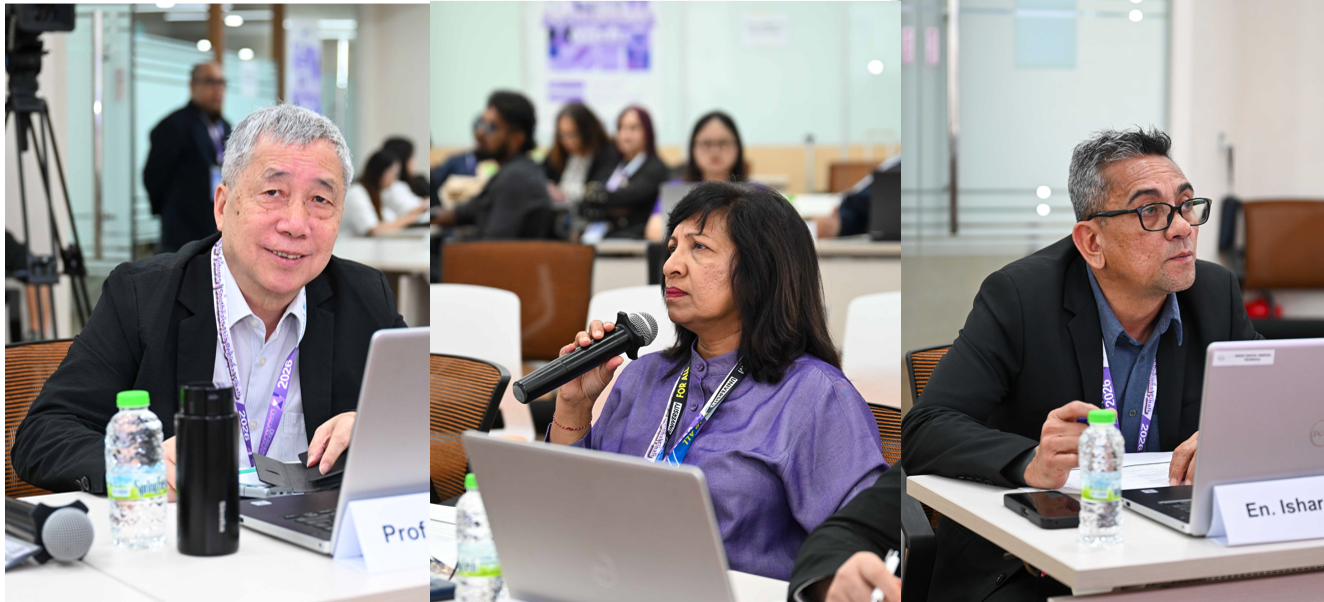
Prof. Chen Guangju (left), Prof. Datin Dr. Santhi Raghavan (centre), and Mr. Ishar Bin Ismail (right) delivering their expert reviews
Moment of Recognition: Multiple Honours Bestowed, Gold Awardees Advance to the Global Finals
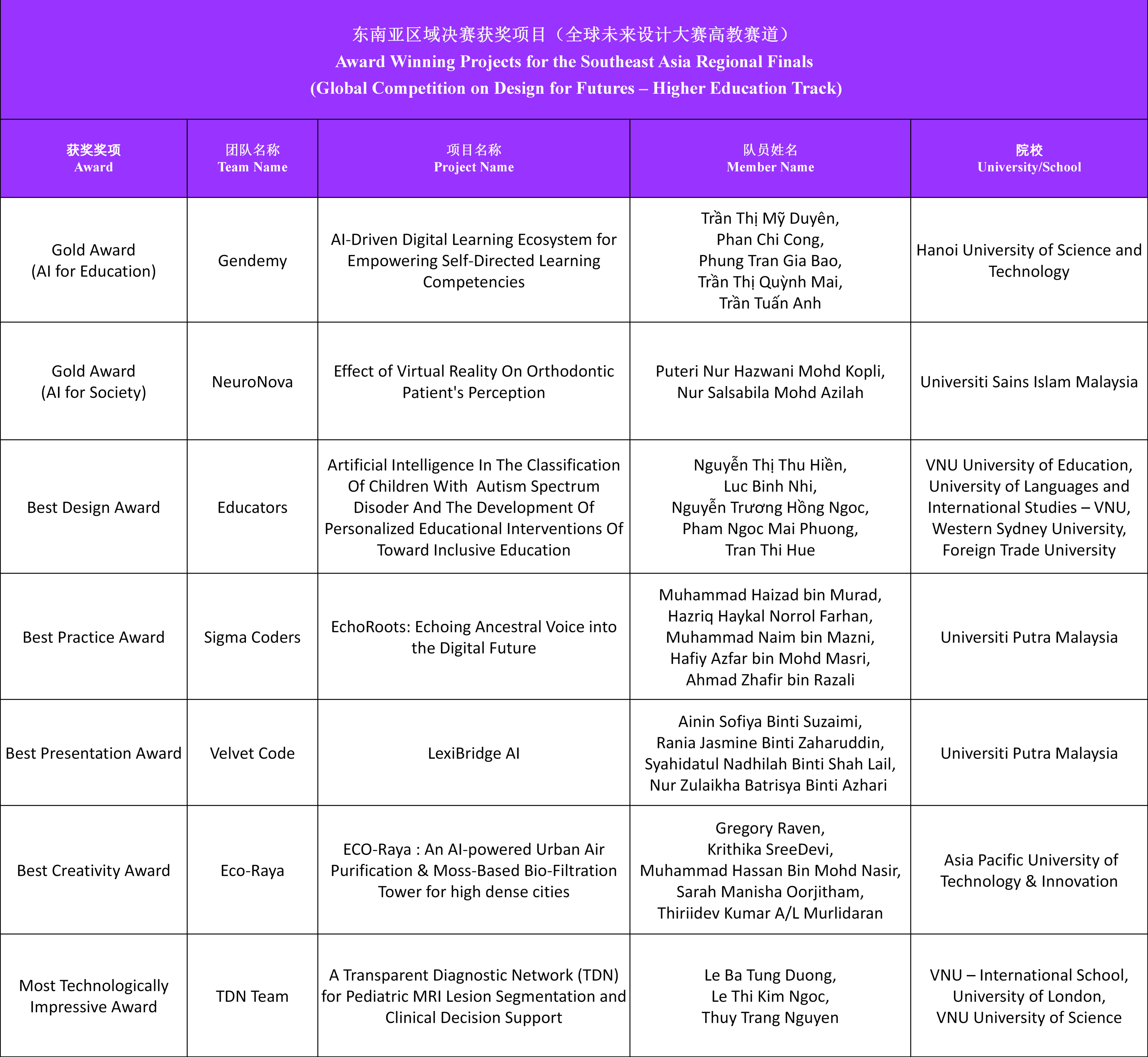
Following a comprehensive evaluation by the jury members, the Southeast Asia Regional Finals conferred two Gold Awards, alongside single recipients of the Best Design Award, Best Presentation Award, Best Application Award, Best Creativity Award, and Most Technologically Impressive Award.
One of the Gold Award-winning teams, Gendemy from Viet Nam, comprises Trần Thị Mỹ Duyên, Phan Chi Cong, Phung Tran Gia Bao, Trần Thị Quỳnh Mai, and Trần Tuấn Anh, all students at Hanoi University of Science and Technology. Focusing on the "AI for Education" track, the team designed an integrated AI-powered digital learning platform that consolidates social learning, course management, AI-powered dialogue, mind mapping, review reporting, time management, and progress tracking. The solution addresses the pain points of learners juggling multiple tools, thereby enhancing continuity in self-directed learning and fostering a greater sense of ownership over the learning process.
The other Gold Award-winning team, NeuroNova from Malaysia, comprises Puteri Nur Hazwani Mohd Kopli and Nur Salsabila Mohd Azilah, both from Universiti Sains Islam Malaysia. Operating within the "AI for Society" track, the team introduced an AI+VR solution for dental anxiety relief, which employs AI-generated 3D animated educational content combined with 14 Hz binaural beat audio to deliver an immersive VR calming experience for patients. Clinical trials have demonstrated that the solution significantly reduces dental anxiety scores from approximately 5 to approximately 2.
The list of awardees at the Southeast Asia Regional Finals is as follows:
The 9th Global Competition on Design for Futures established the regional finals hubs in five areas: Africa (Cameroon), Eastern Europe and Central Asia (Russia), Central and Eastern Europe (Slovenia), Southeast Asia (Malaysia), and South Asia (Maldives). In October 2026, the champion teams from each regionas will convene in Beijing for the Global Finals, where they will showcase cutting-edge innovative outcomes and engage in dialogues on the shared vision for a sustainable future, united by the common thread of design thinking.
Link:https://gcd4fe.bnu.edu.cn/en/index.html